RePhoR Transfer Event in Hanover: Results from Six Years of Research and Implementation
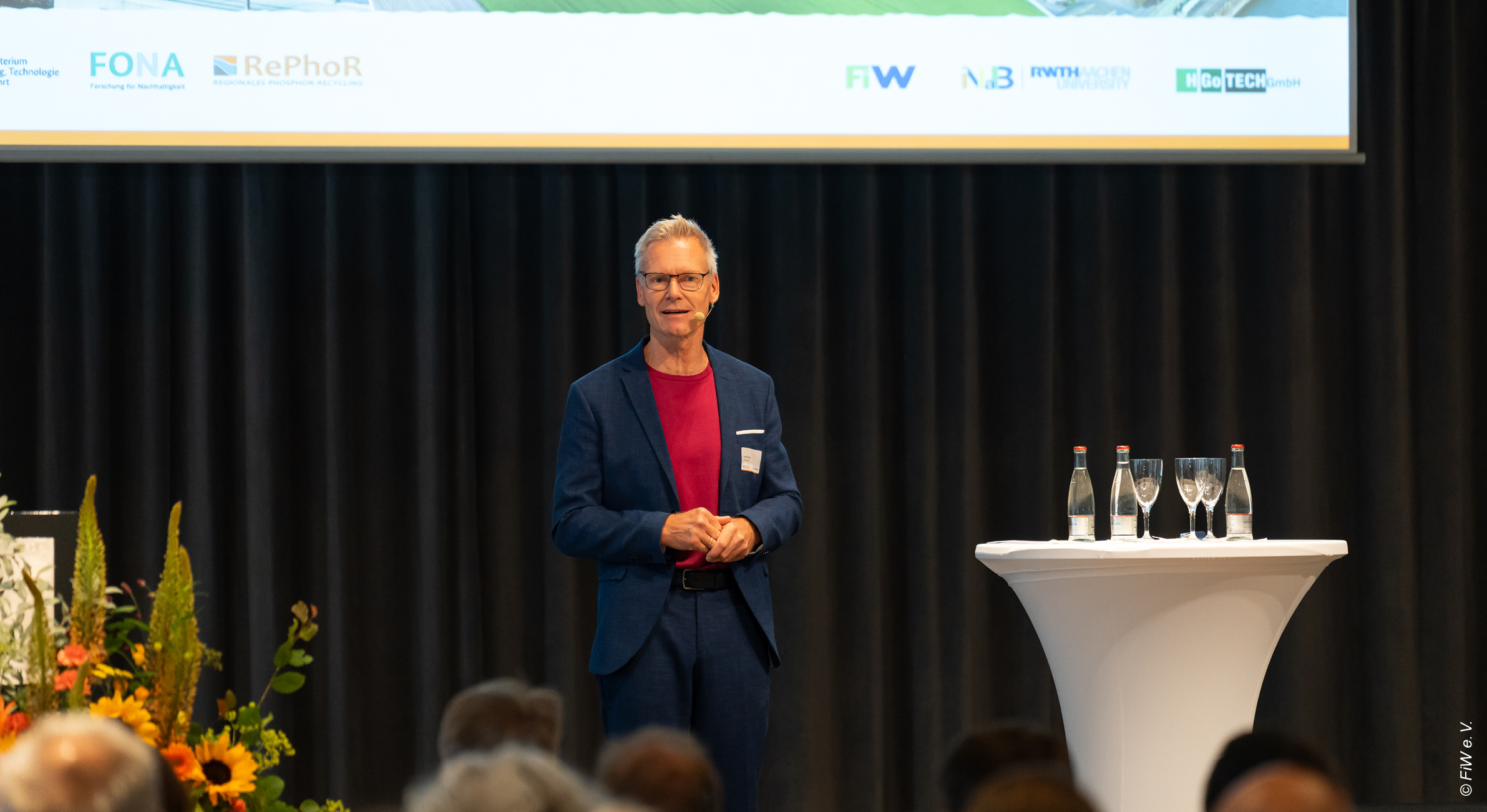
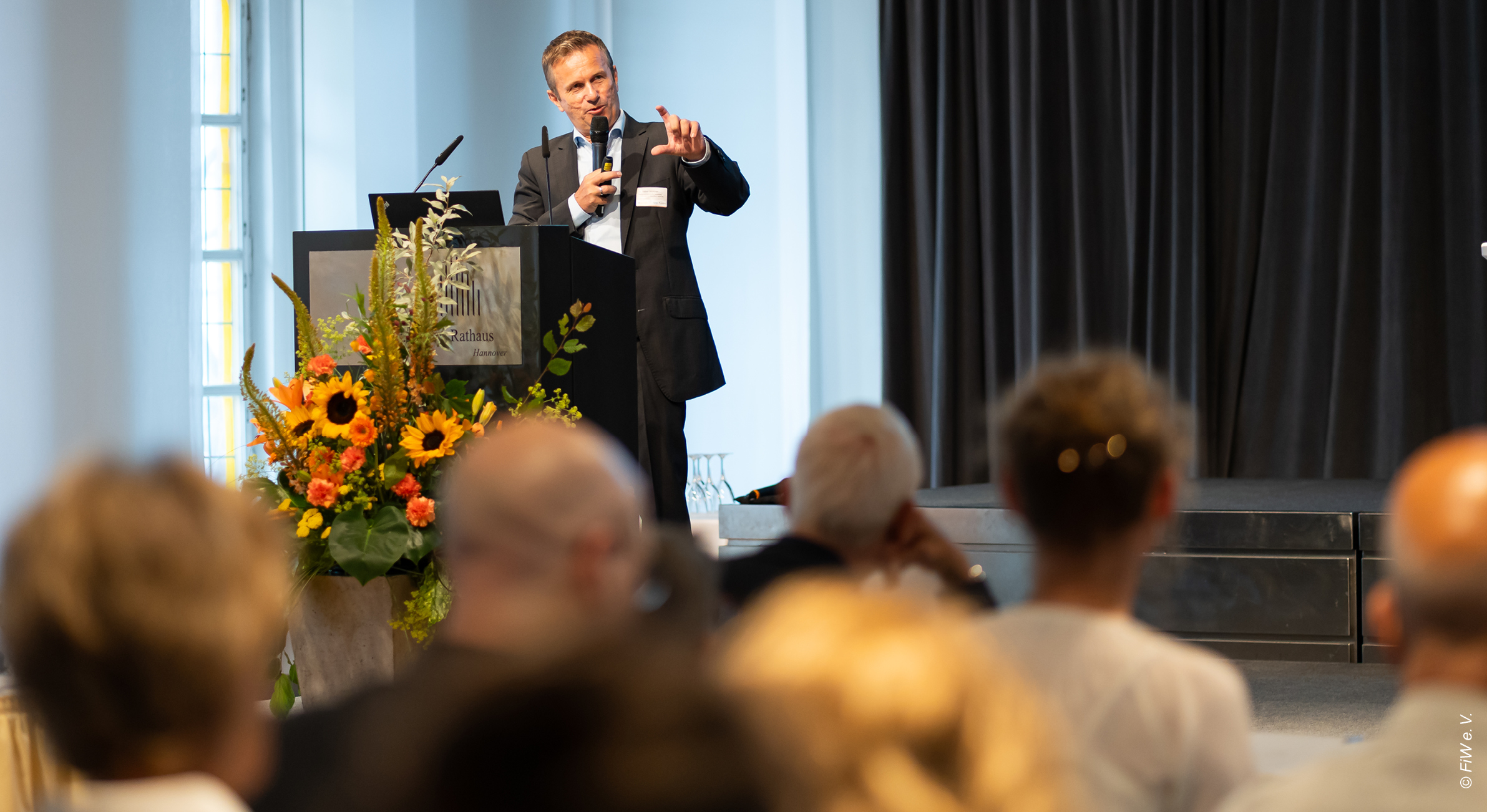
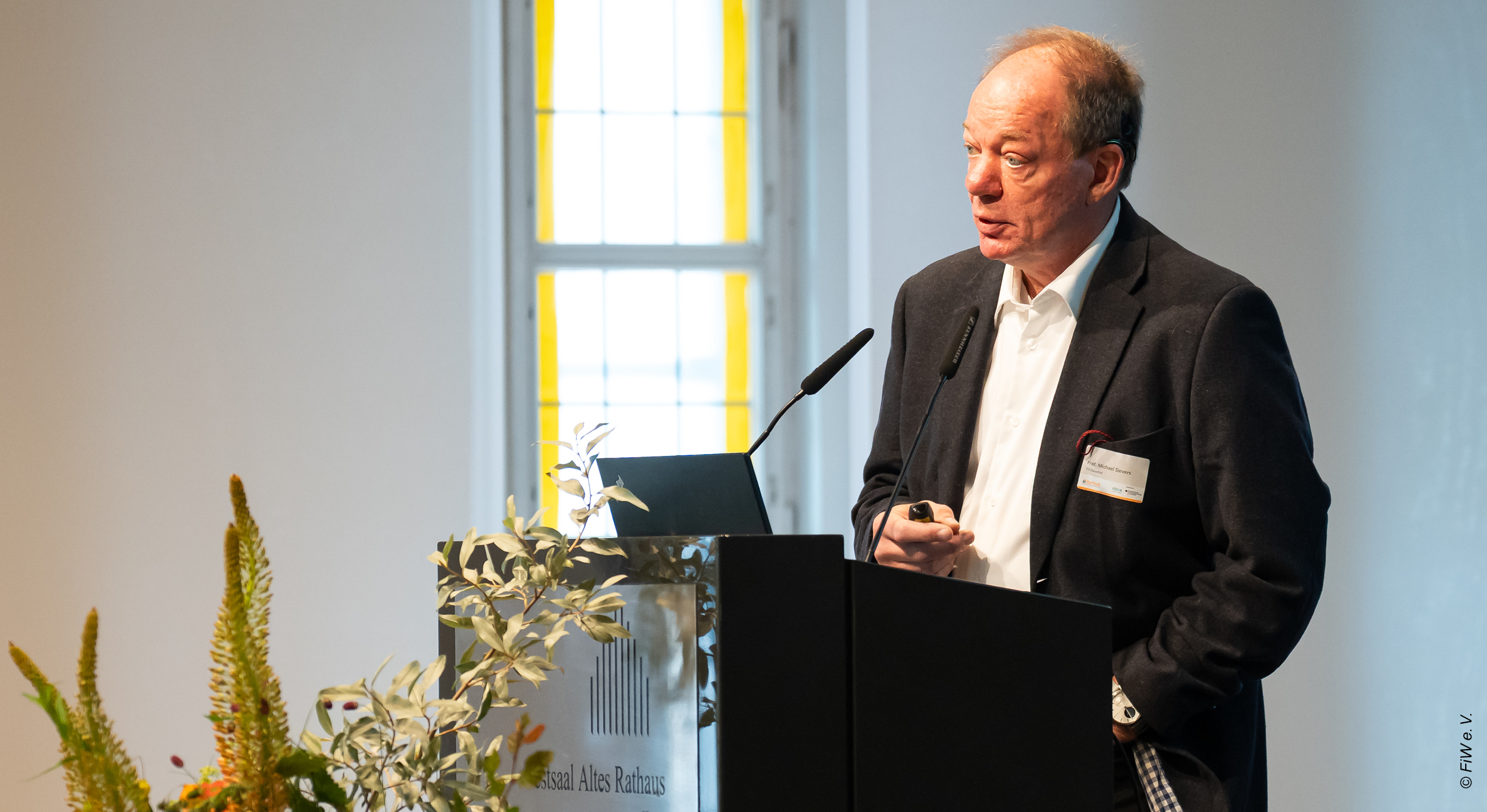
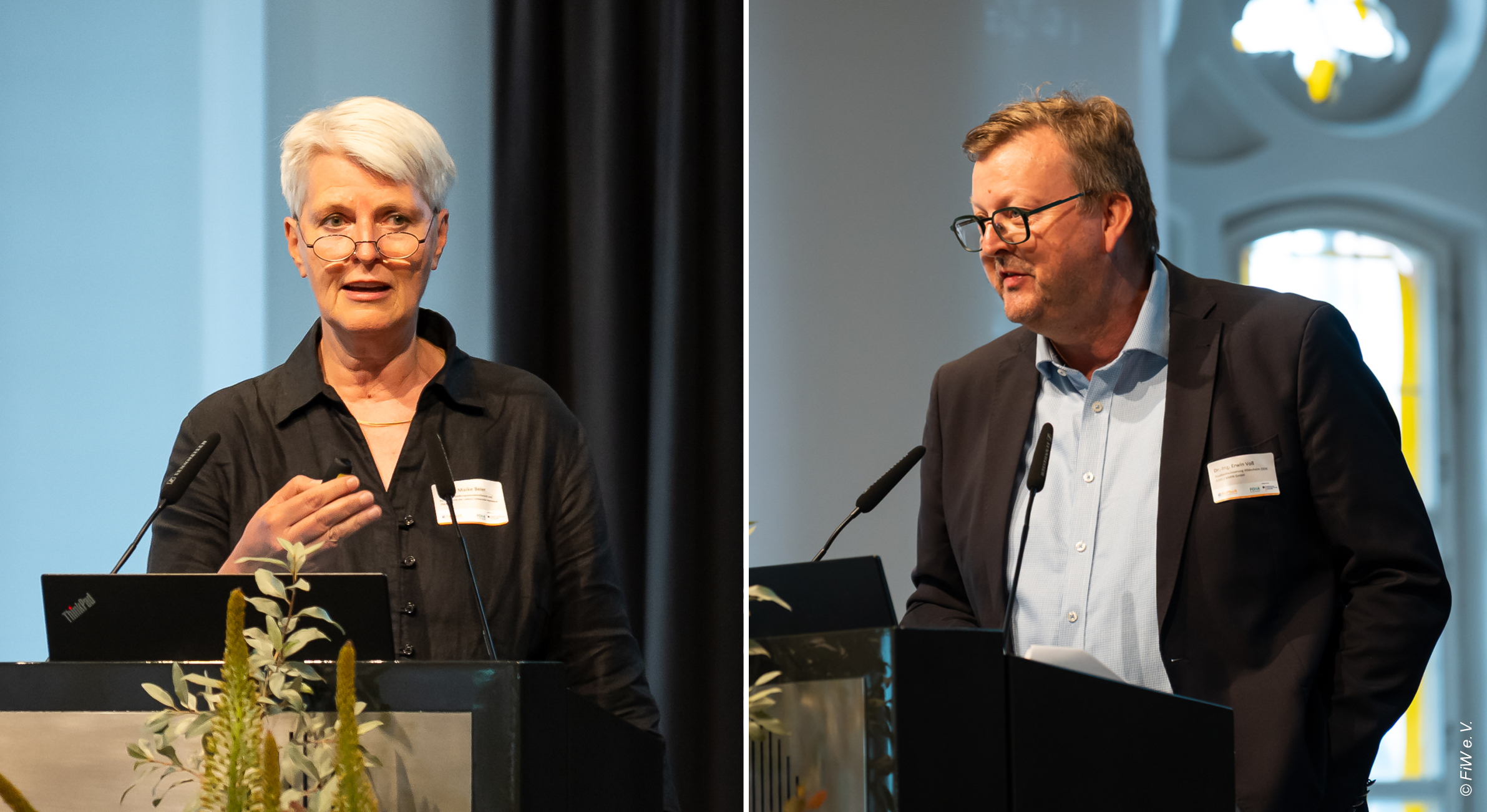
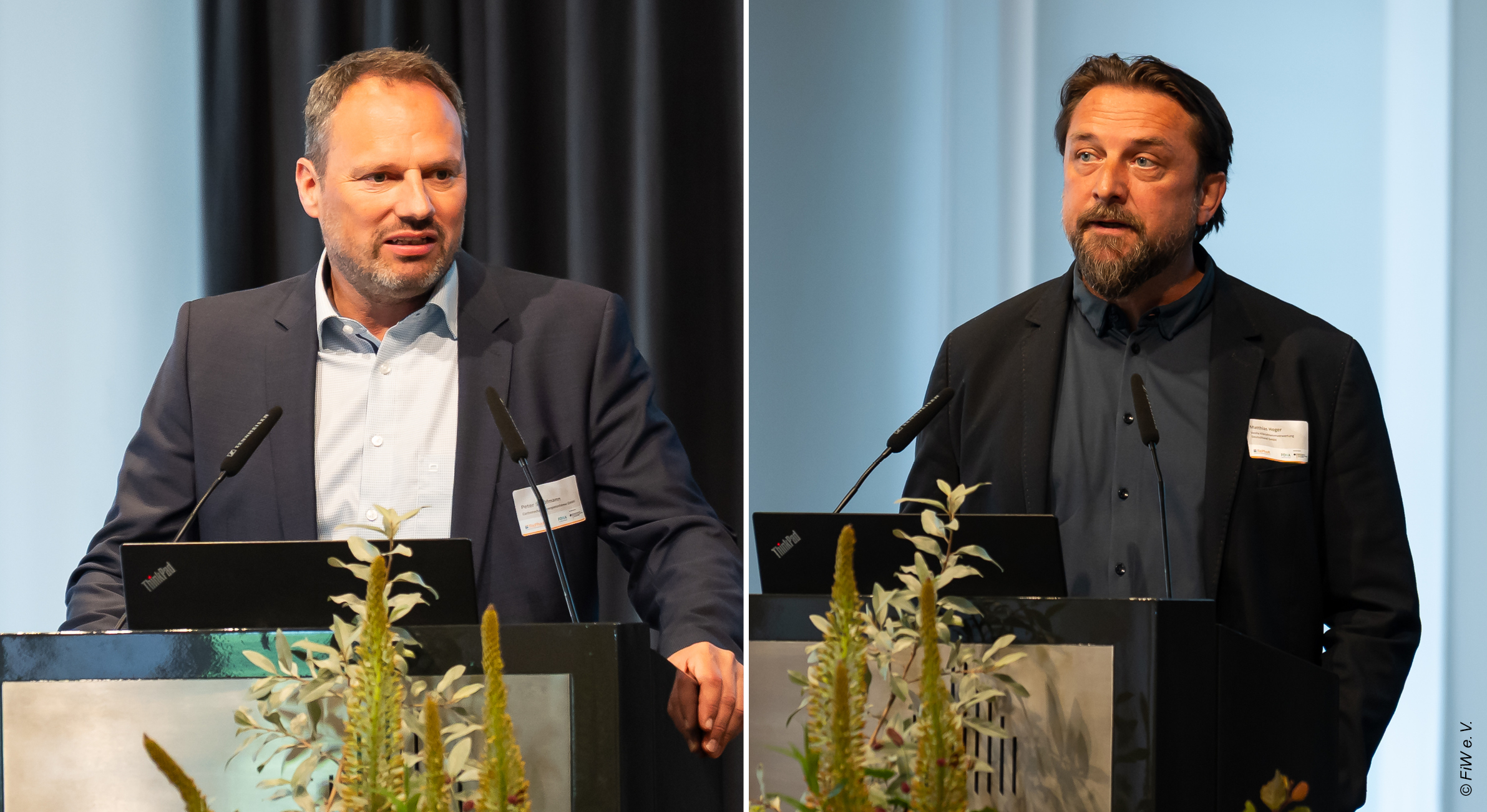
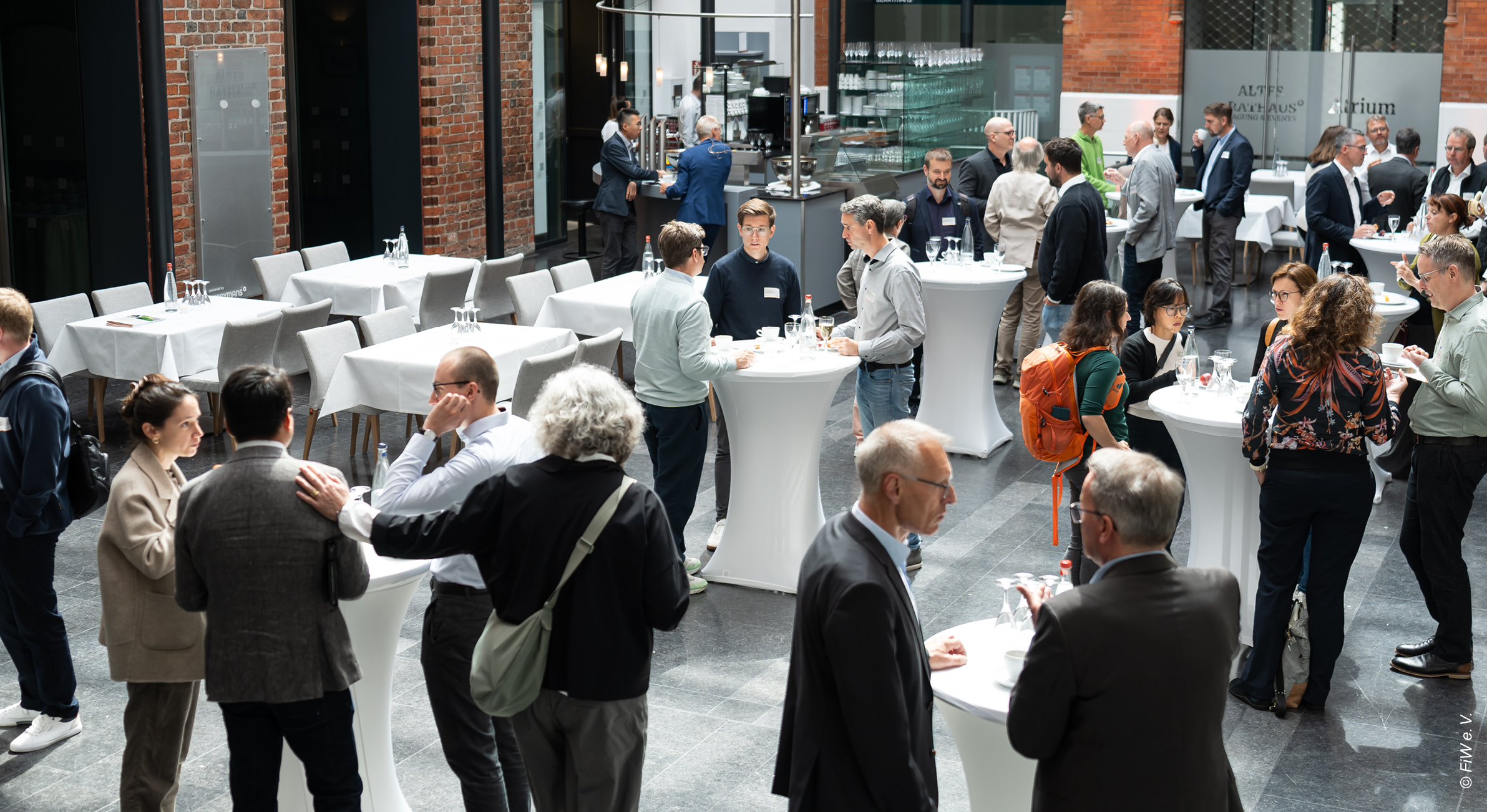
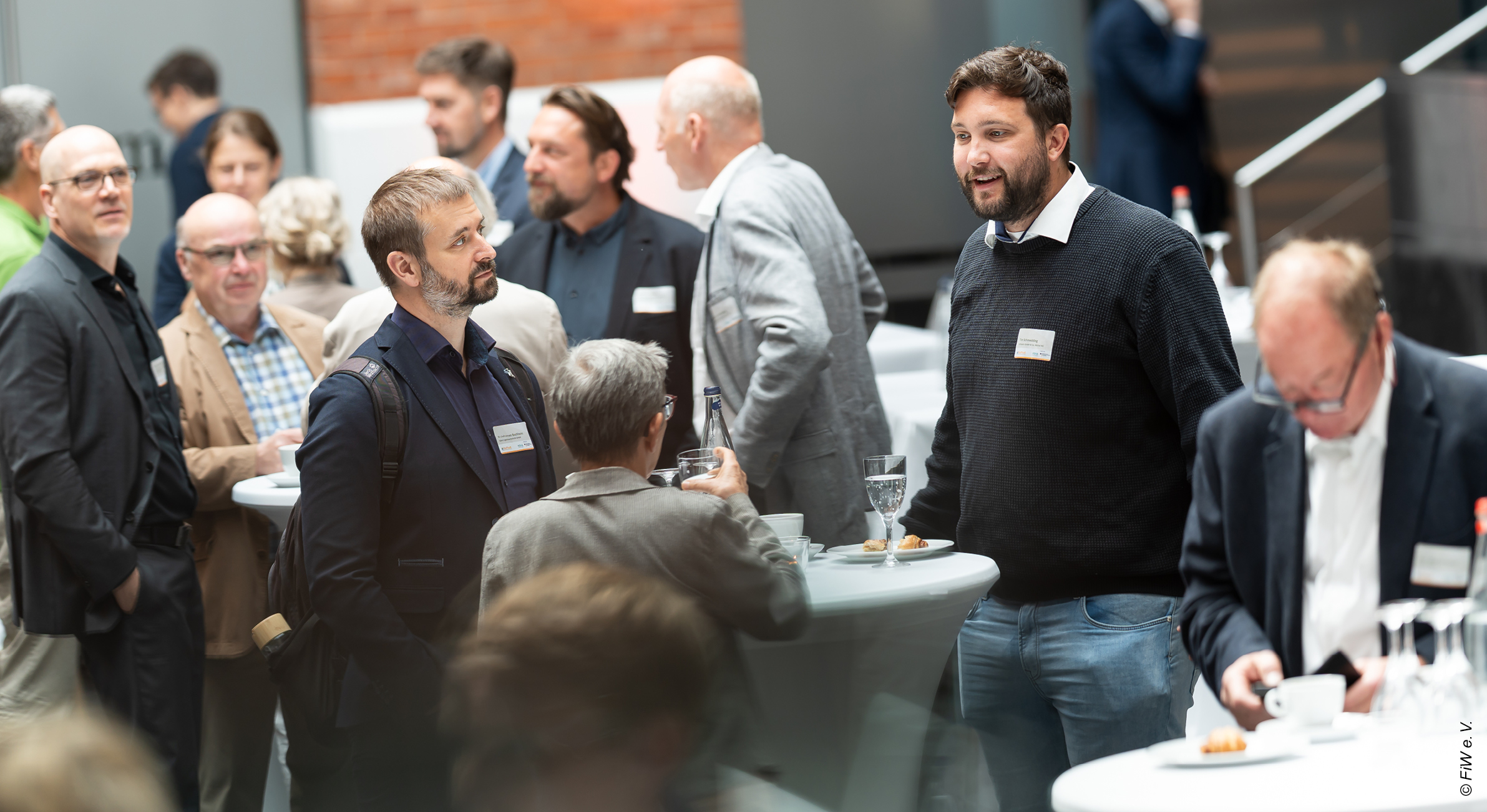
On June 16, 2026, around 120 experts from municipalities, science, authorities and industry gathered at the Old Town Hall in Hanover to take stock of the results of the BMFTR funding initiative Regional Phosphorus Recycling (RePhoR). Six years of research and implementation have shown that the technology works. The real task is only just beginning.


Phosphorus is indispensable for agriculture and therefore for food security. At the same time, Germany has no domestic raw phosphate deposits and is entirely dependent on imports, predominantly from politically unstable regions. Sewage sludge contains significant amounts of phosphorus – and the revised Sewage Sludge Ordinance (AbfKlärV) obliges wastewater treatment plant operators to recover this phosphorus starting in 2029 and 2032 respectively. RePhoR, the BMFTR (Federal Ministry of Research, Technology and Space) funding initiative launched in 2020, has supported seven joint projects over the past six years that tested various recovery processes under real-world conditions. The transfer event served to present results and to facilitate discussion and networking in order to further advance the exchange.
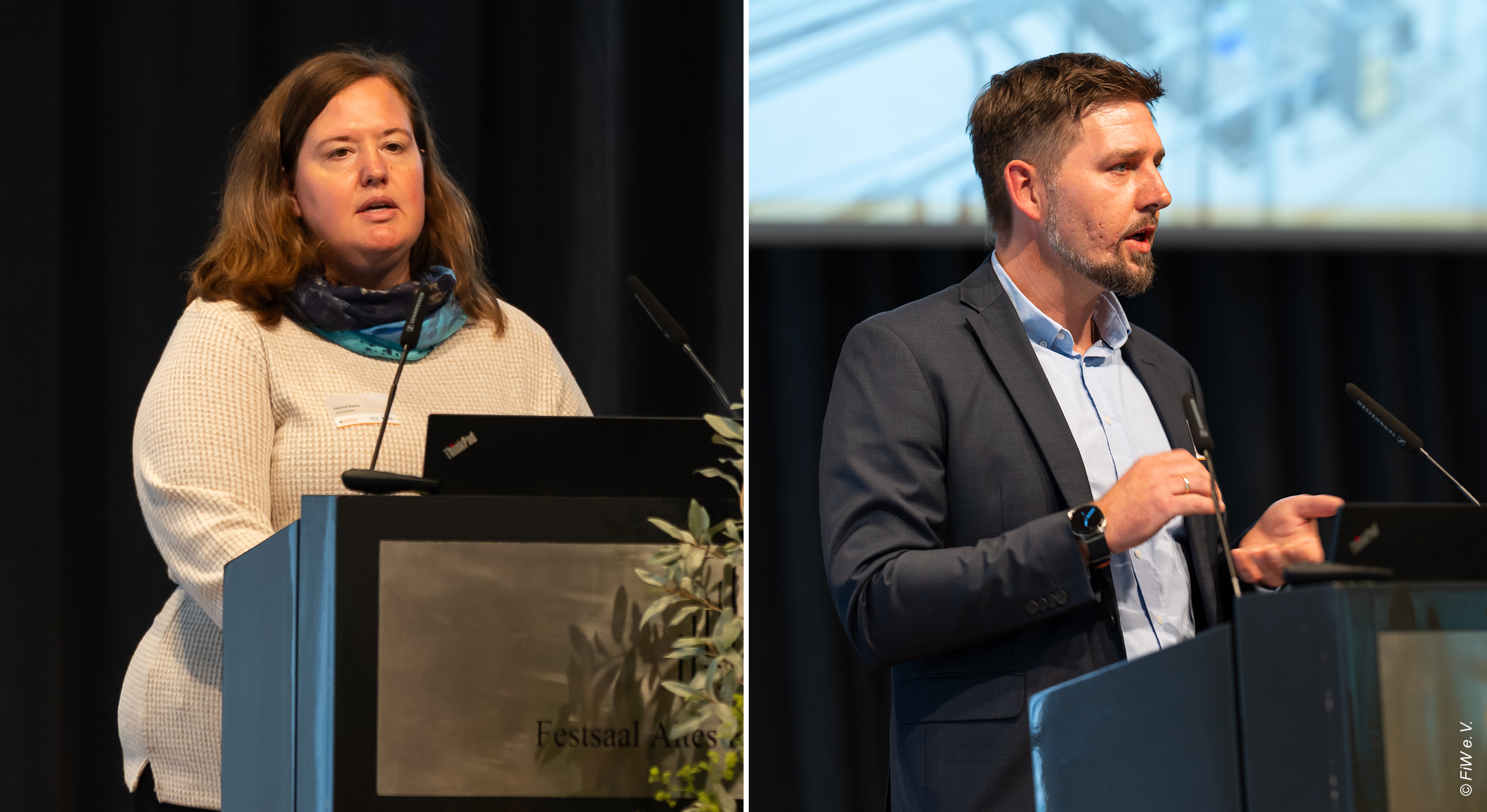
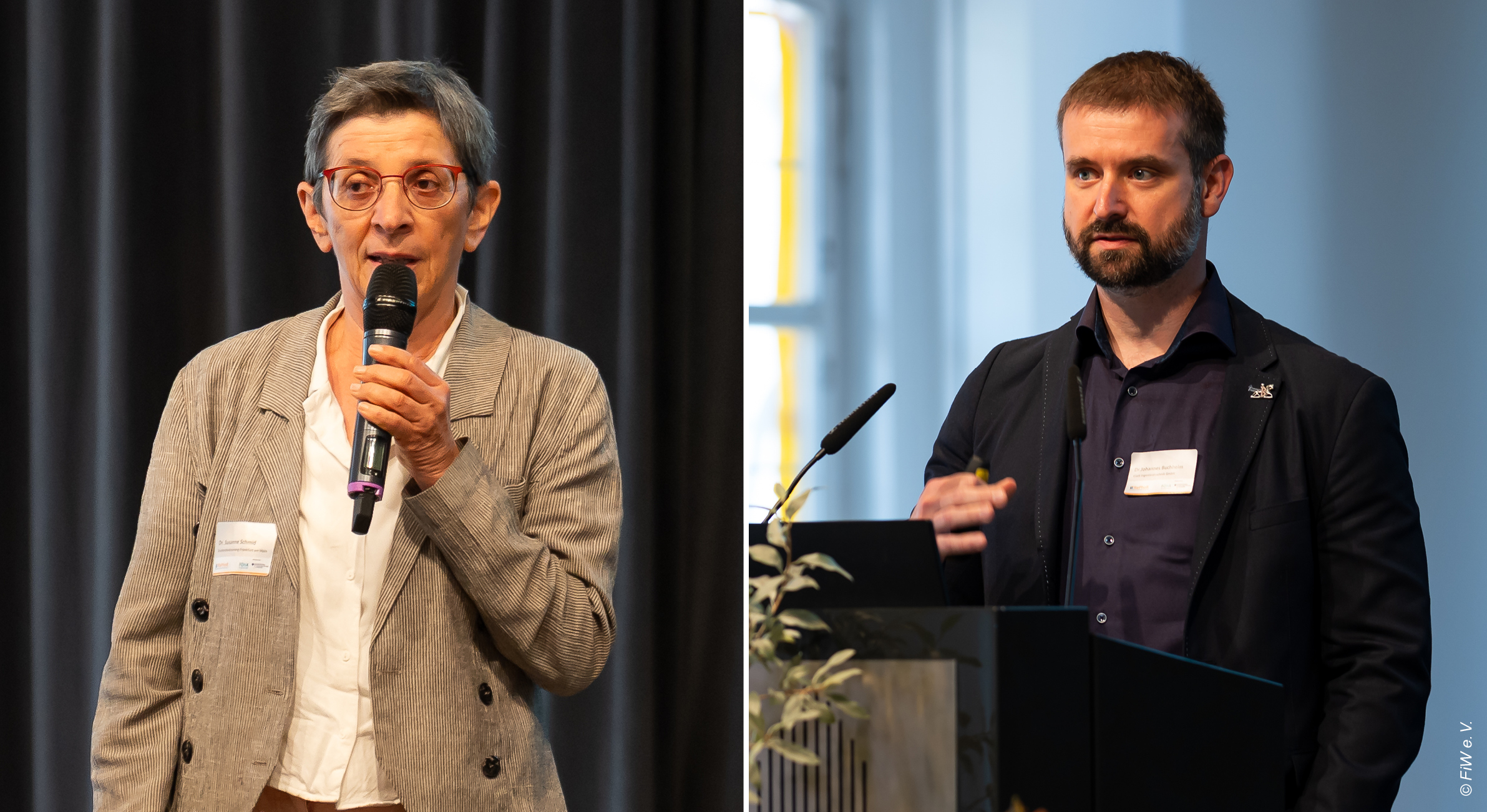
The first part of the day was devoted to project results. The seven joint projects – P-Net, KlimaPhoNds, SATELLITE, DreiSATS, R-Rhenania, AMPHORE and RePhoRM – pursued three fundamentally different recovery routes: phosphorus recovery directly within the wastewater treatment process as struvite, thermochemical treatment of sewage sludge, and wet-chemical treatment of sewage sludge ash.


P-Net presented experience with the PECO process, which further develops the established struvite route. KlimaPhoNds demonstrated decentralized recovery at the Northeim wastewater treatment plant, which also uses the sludge’s drying energy and thereby reduces the plant’s energy demand. SATELLITE showed, using the example of the KNRN treatment plant network, how model-based scenario analyses can support municipalities in strategic decisions about regional cooperation models.


The thermochemically operating projects DreiSATS and R-Rhenania developed processes that convert sewage sludge or sewage sludge ash into a recyclable fertilizer – DreiSATS also includes an additional wet-chemical process route that enables decentralized recovery.


AMPHORE and RePhoRM relied on wet-chemical processes for ash utilization – AMPHORE already at industrial scale at the Ruhrverband and the Emschergenossenschaft, RePhoRM with a pilot plant in the Rhine-Main region incorporating industrial and agricultural material cycles.
The conclusion after six years: phosphorus recycling is technically feasible via various approaches. Recyclate quality has been demonstrated and meets legal requirements. Some projects will be transferred into industrial-scale implementation after the project concludes.


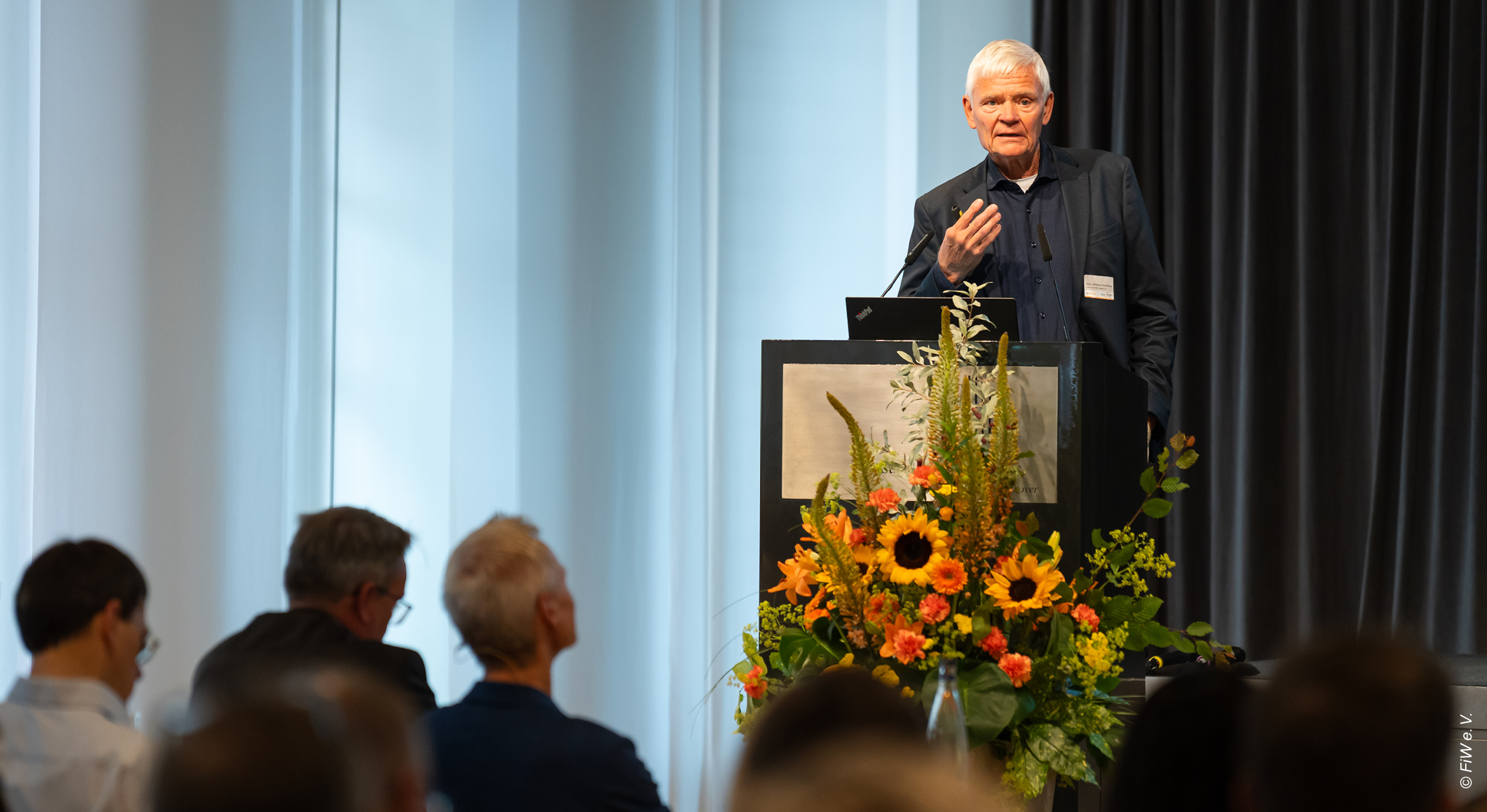
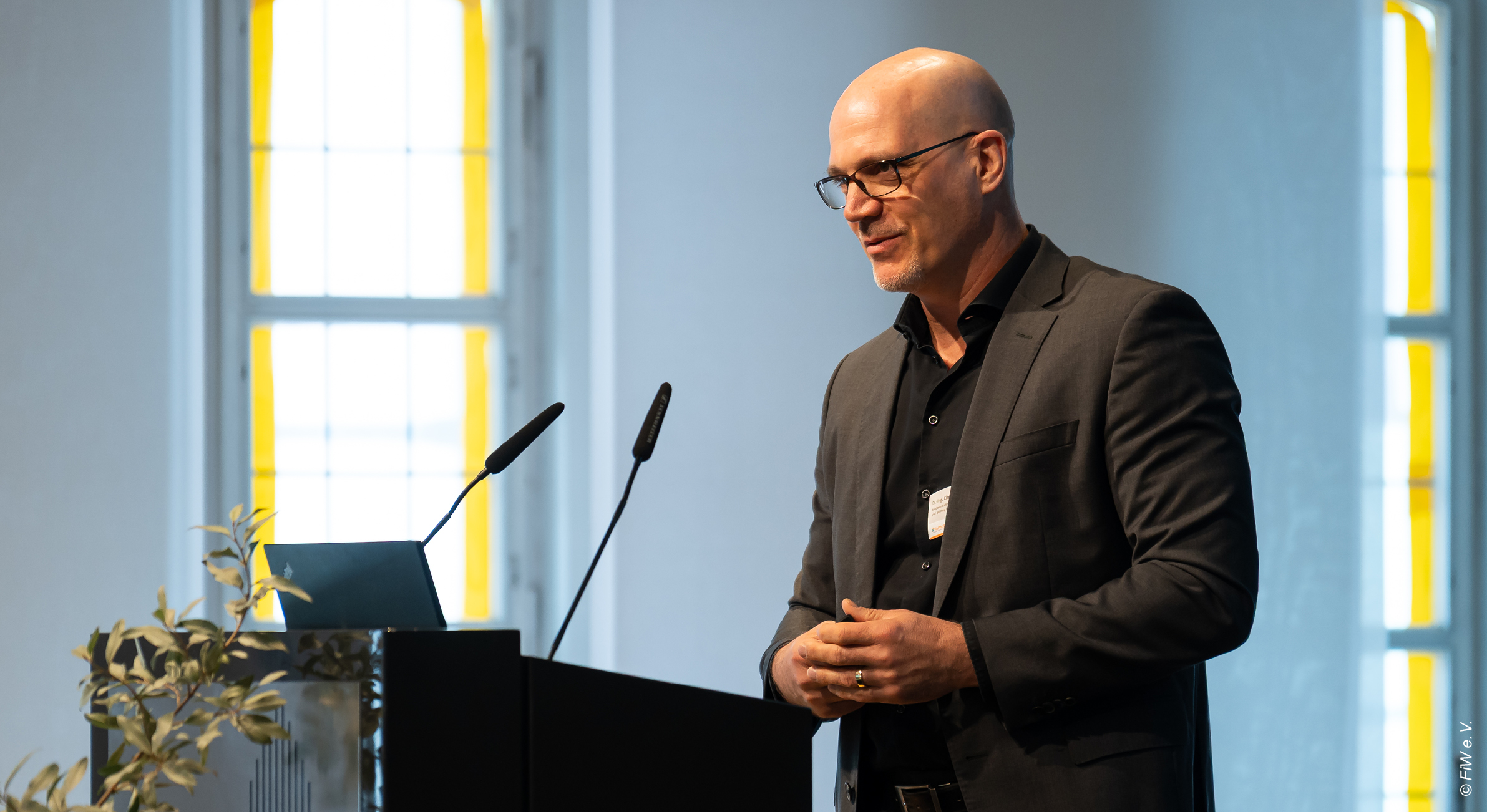
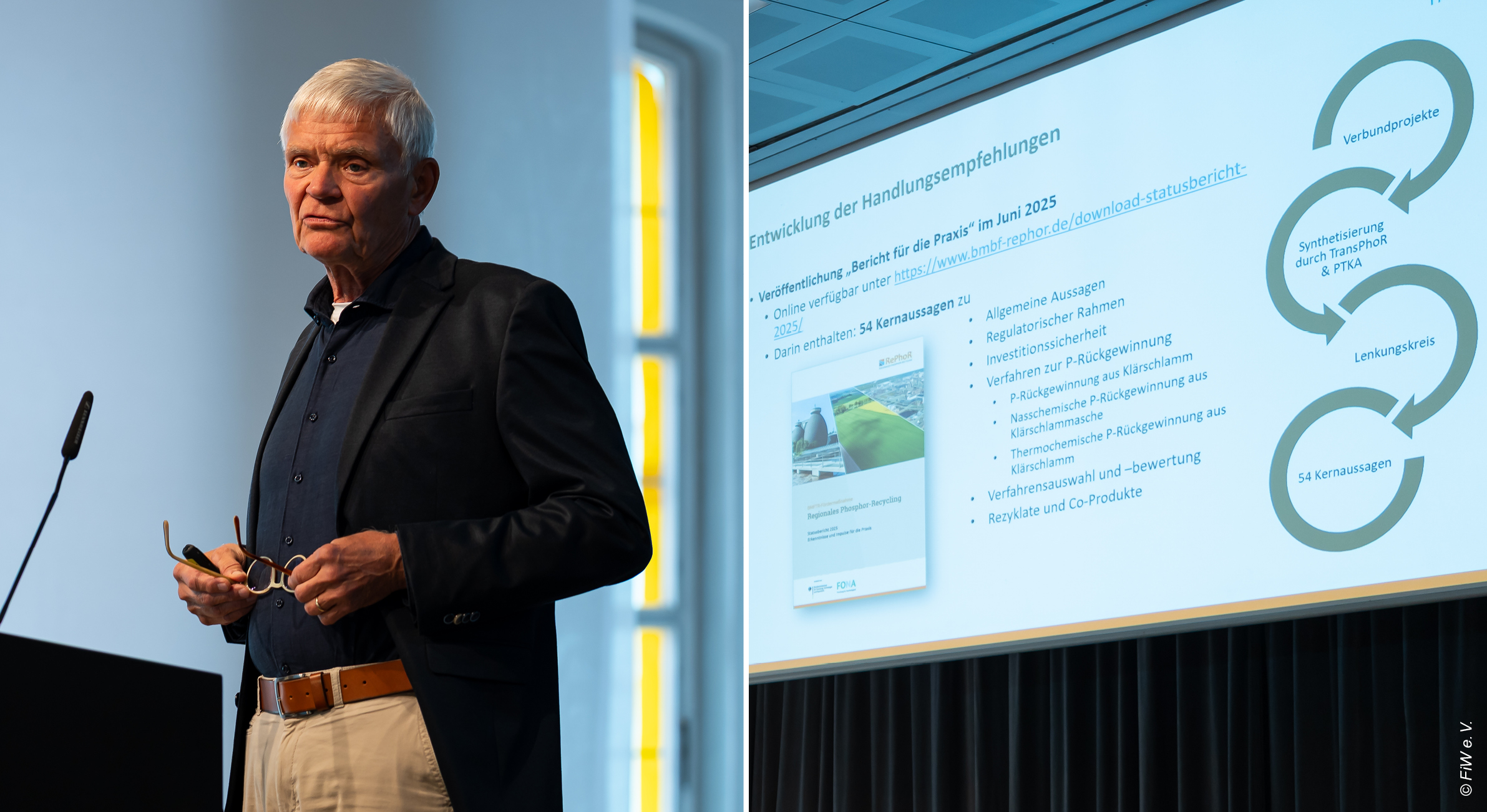
Prof. Dr.-Ing. Johannes Pinnekamp, scientific coordinator of the accompanying project TransPhoR, opened the second event block with a key framing point: many questions about the technology, the regulatory framework, organizational models and market development for phosphorus recyclates remain open. Over the past months, concrete action recommendations were developed together with the joint projects, particularly the steering committee. These recommendations are aimed at two target groups: local actors such as municipalities, municipal councils, associations and operators on the one hand, and the federal and state governments on the other.
For operators, the first recommendation is not to select a technology. What’s needed first is stable cooperation structures. Operators should determine early on which neighboring municipalities or associations they can approach phosphorus recovery together with, since not every process is suitable for every plant. Which process is appropriate depends largely on sludge quantity, sludge quality and seasonal fluctuations. Operators therefore need to know their sludge well before formulating viable tenders or entering into cooperations. Recovery pathways must be linked early to sales channels, and financing and responsibilities must be clarified in good time.


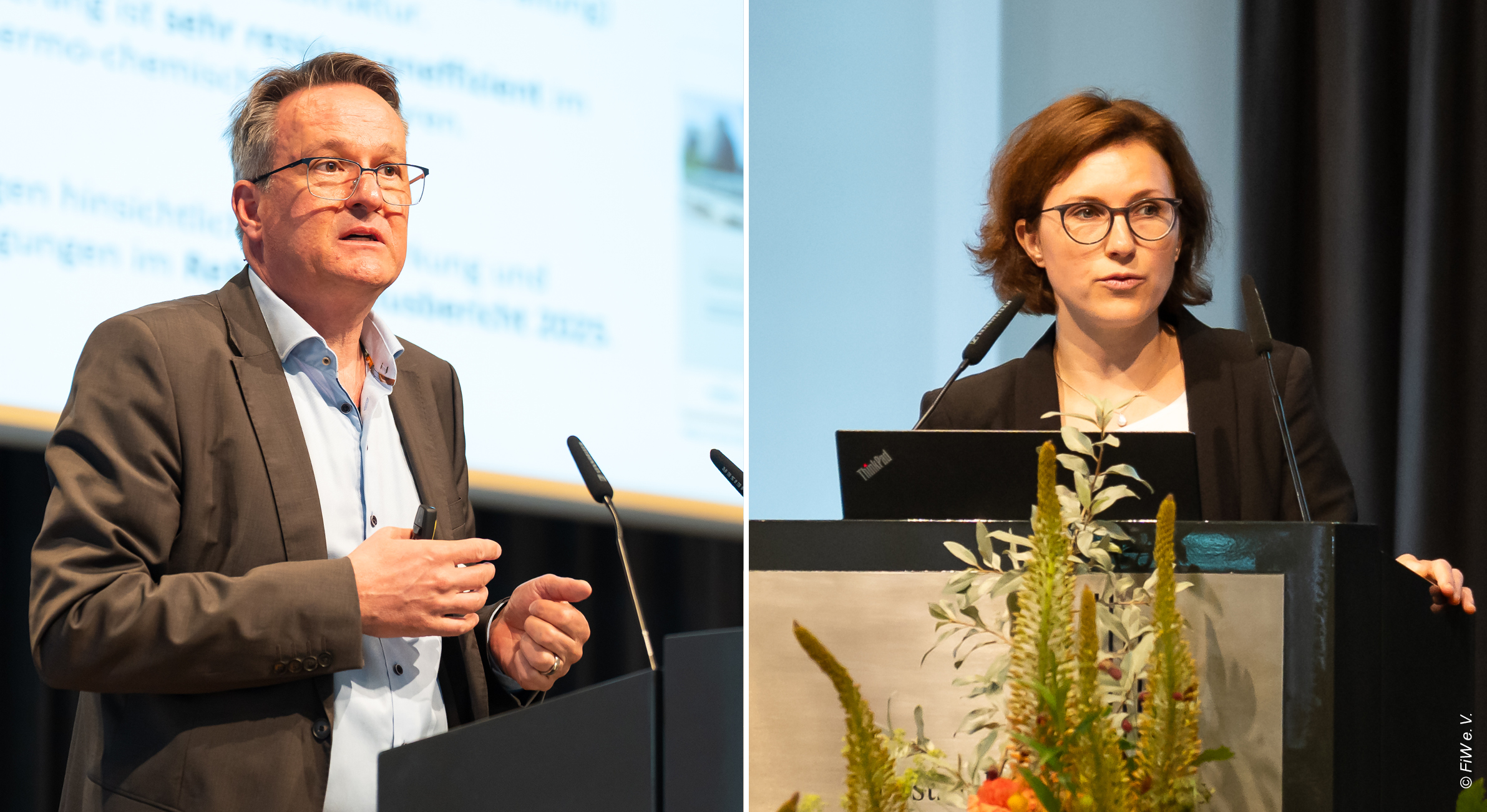
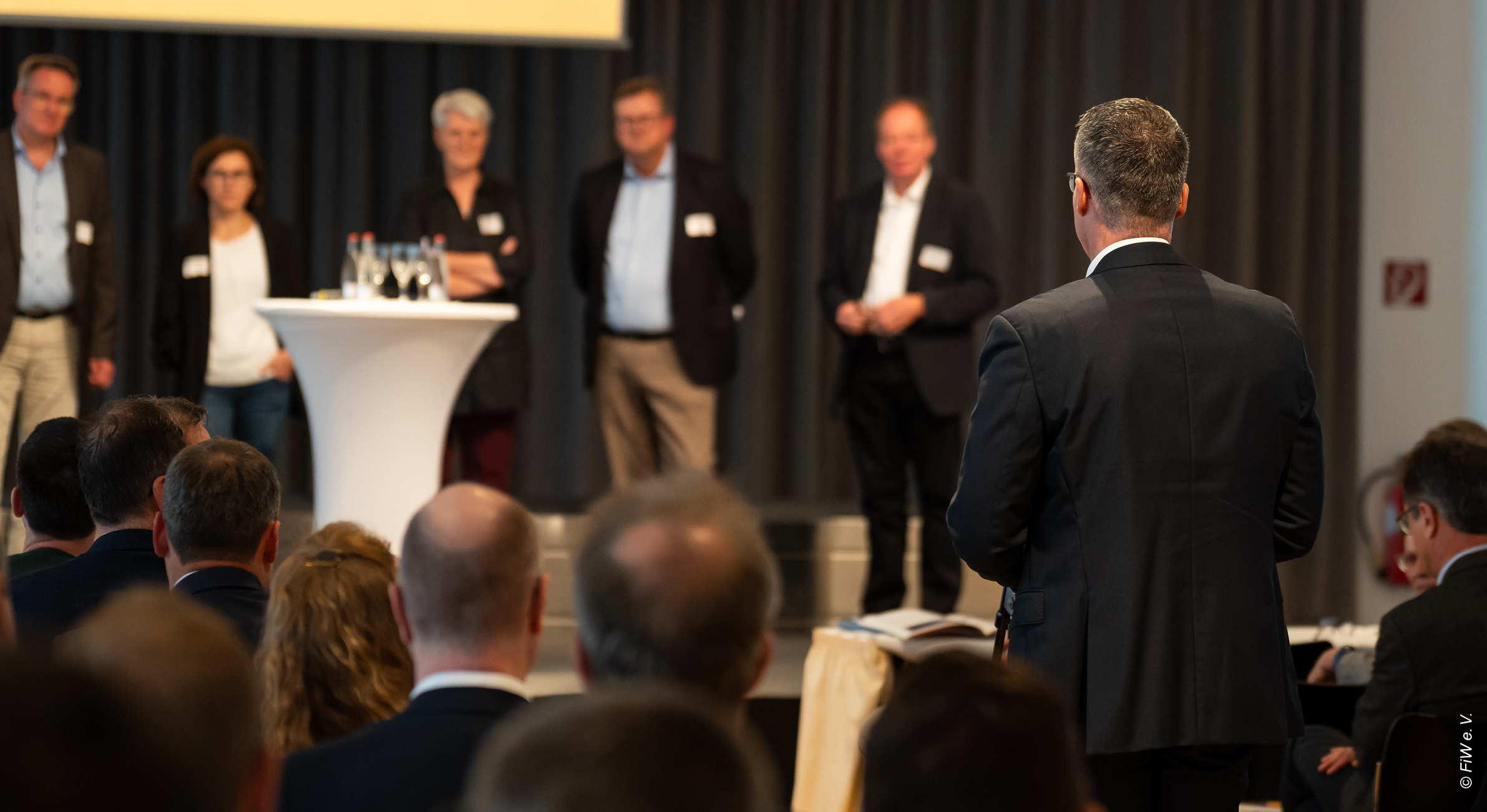
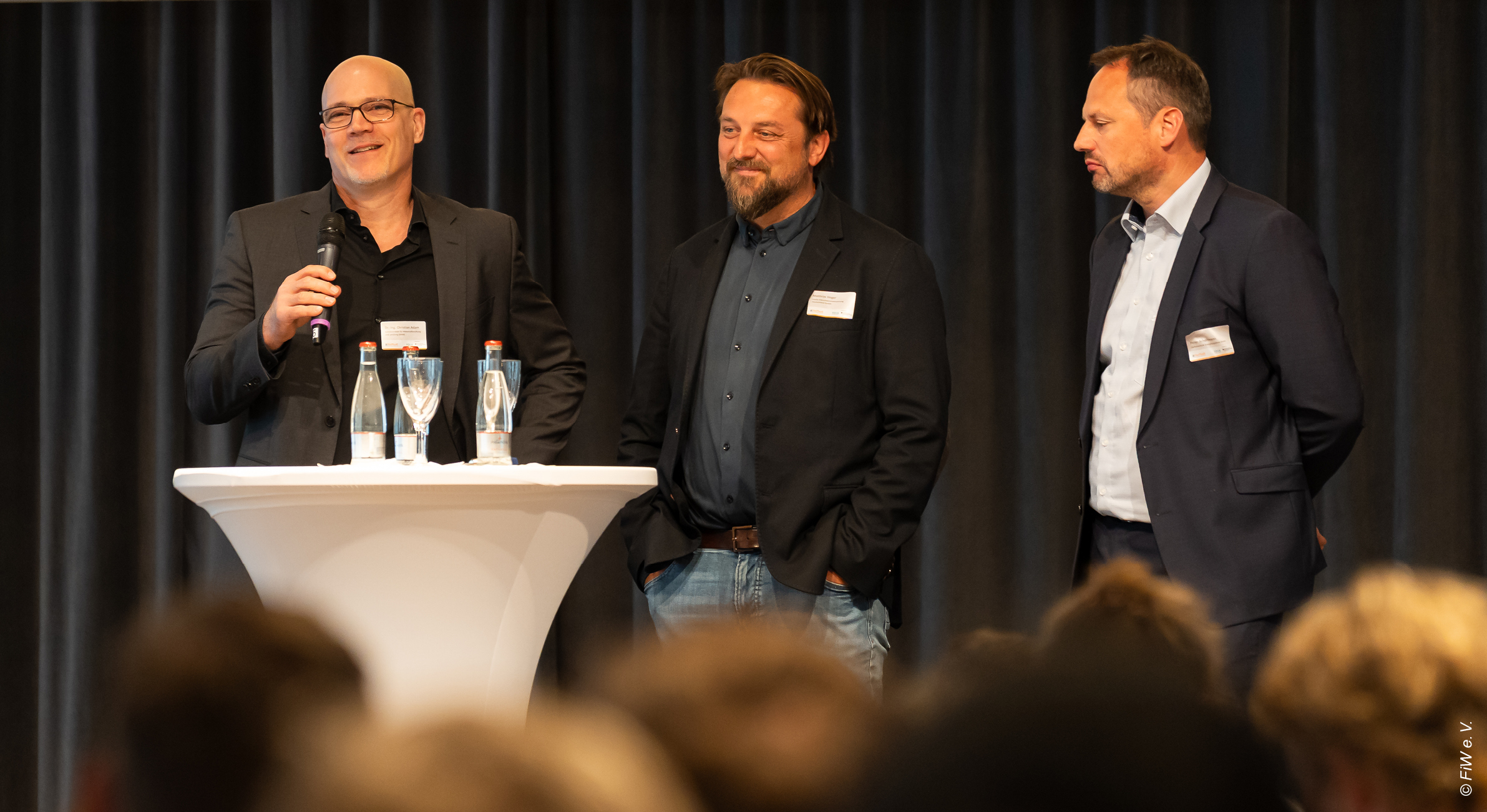
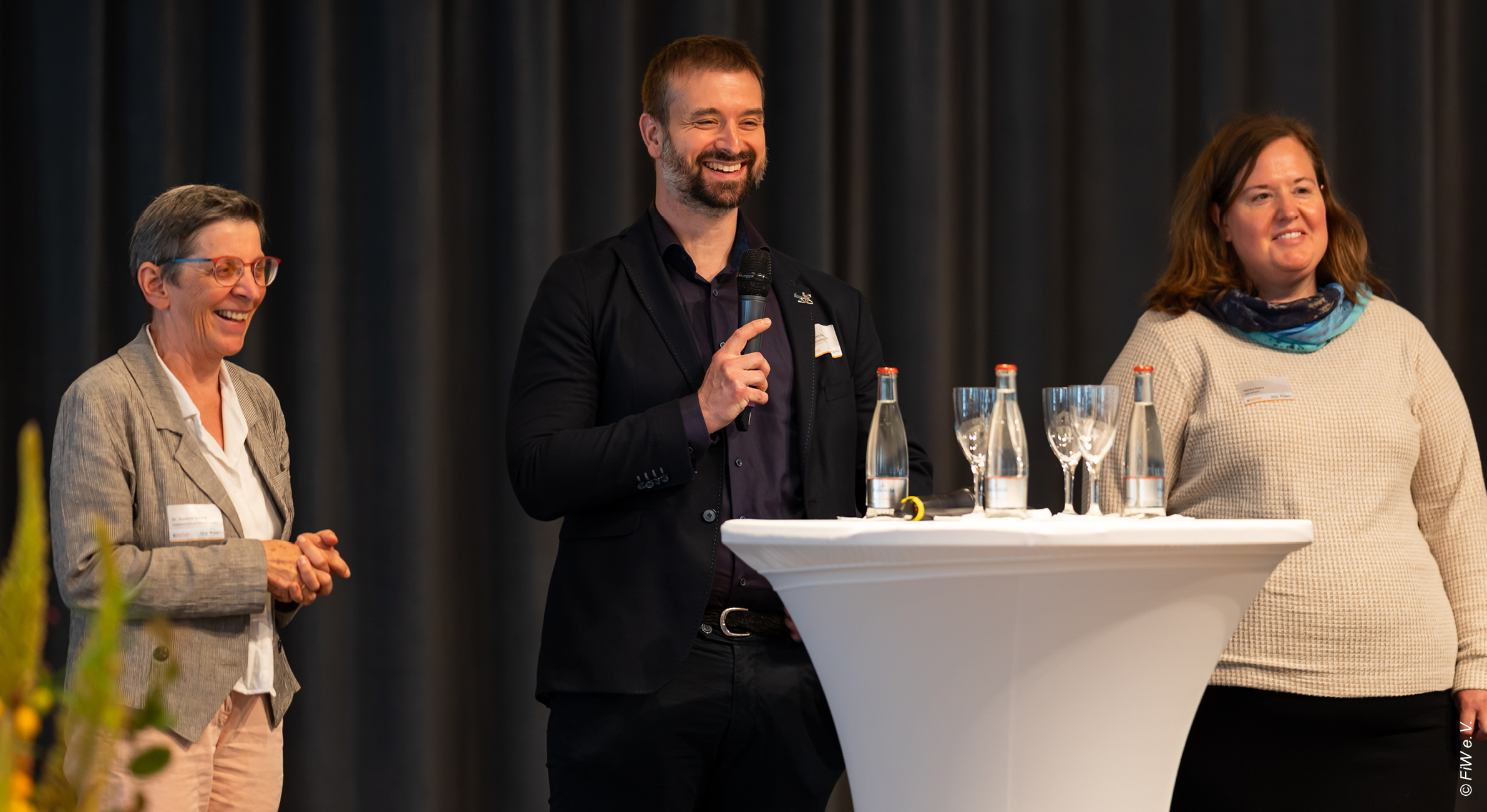
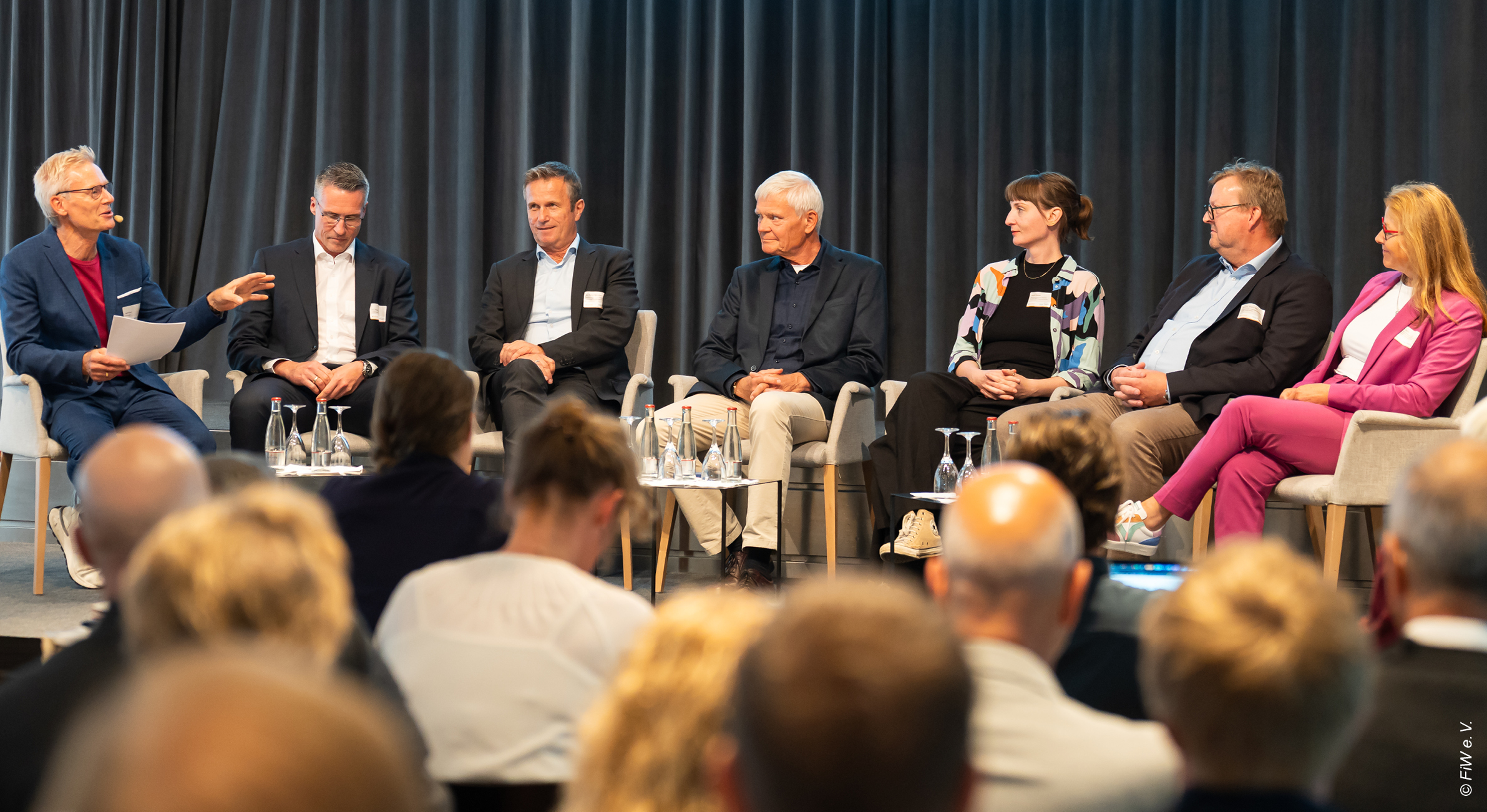
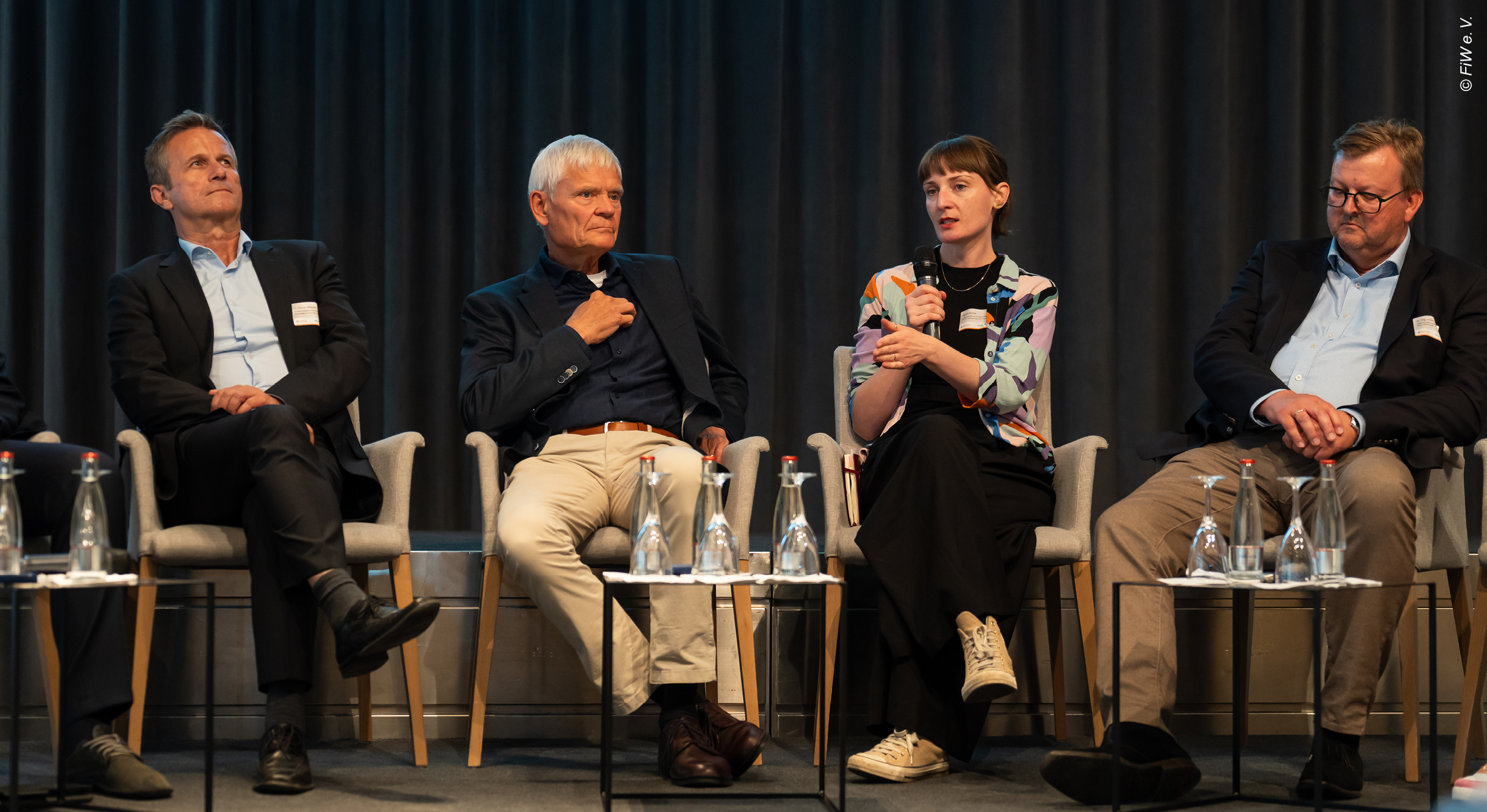
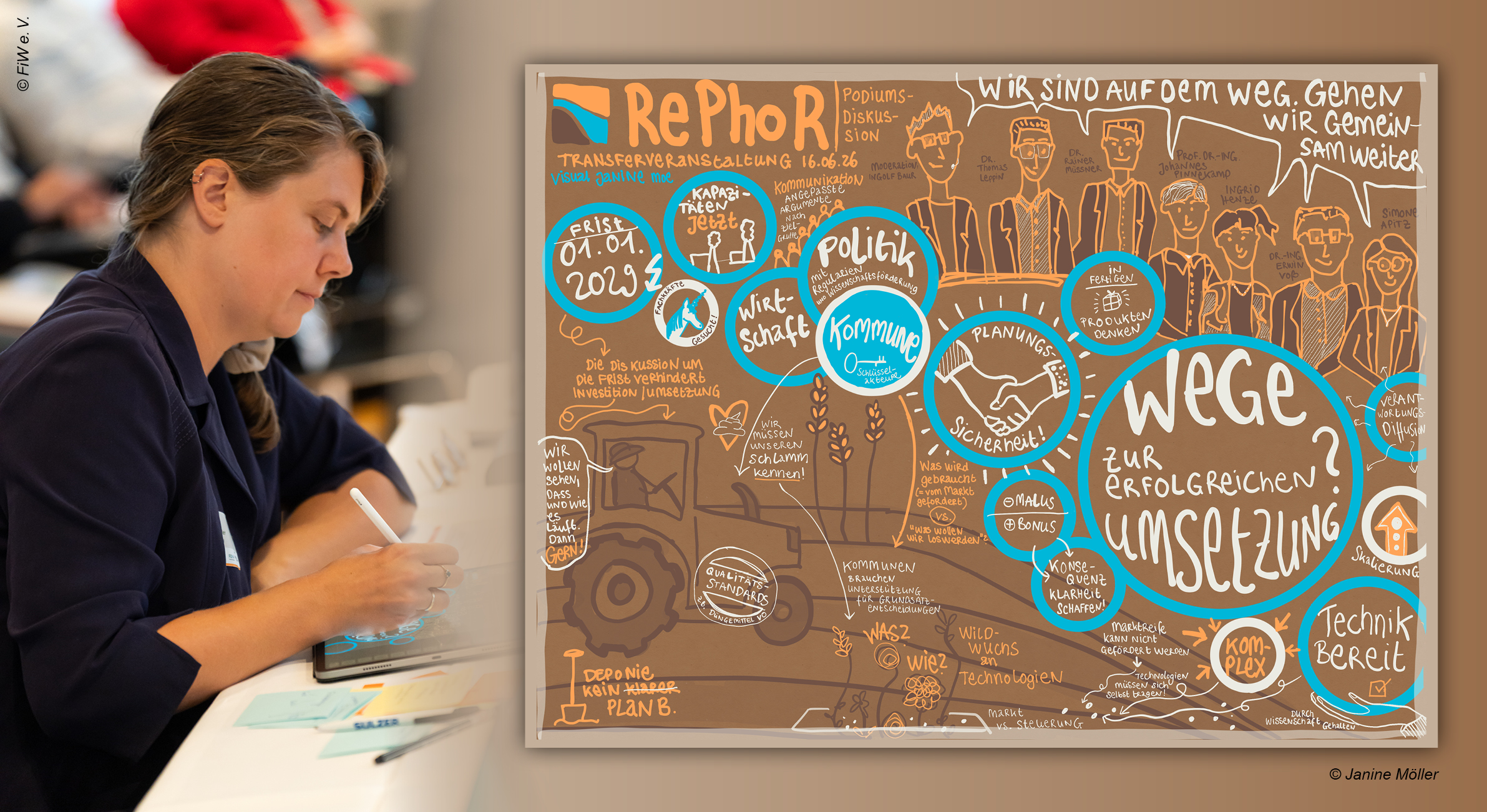
The day concluded with a panel discussion titled “Phosphorus Recycling in Practice: Paths to Successful Implementation?”, with representatives from the BMFTR, the fertilizer industry, LAGA, DWA, DPP and TransPhoR. The key points of the discussion were visually documented through graphic recording.
There was agreement that the technical prerequisites for getting started are in place. The discussion centered mainly on the question of who takes on which responsibility. Several participants pointed to a factor currently inhibiting investment: the ongoing debate about postponing the statutory deadlines. The Federal Ministry for the Environment has clearly rejected such a postponement – yet the debate itself creates uncertainty among planners and operators and delays decisions.
Skilled labor shortages were named as a further structural obstacle. Wet-chemical processes in particular require process engineering expertise that is often not available at wastewater treatment plants. Municipalities need support for fundamental decisions – from science, but also from the federal and state governments through reliable regulatory frameworks.
The fertilizer industry signaled interest in the recyclates from RePhoR. At the same time, there was a call for a more open dialogue between producers and buyers than has existed so far.
The conclusion of the discussion: municipalities are the key actors at the center, but cannot act alone. Business, politics and science must proceed jointly and in coordination – and do so now, since there is little time left until 2029.
All project results are summarized in the accompanying publication for the transfer event. Technical details on process data, recyclate quality and operational requirements are provided in the process profiles of the seven joint projects. Both publications, along with further materials, are available at https://www.bmbf-rephor.de/publikationen-ergebnisse/ (at the moment, only available in German). Further information can be found in the announcement on the FONA website: https://www.fona.de/de/phosphorrecycling-technik-bereit-umsetzung-stockt.