RePhoR Transfer Event in Hanover: Results from Six Years of Research and Implementation

RePhoR Transfer Event in Hanover: Results from Six Years of Research and Implementation

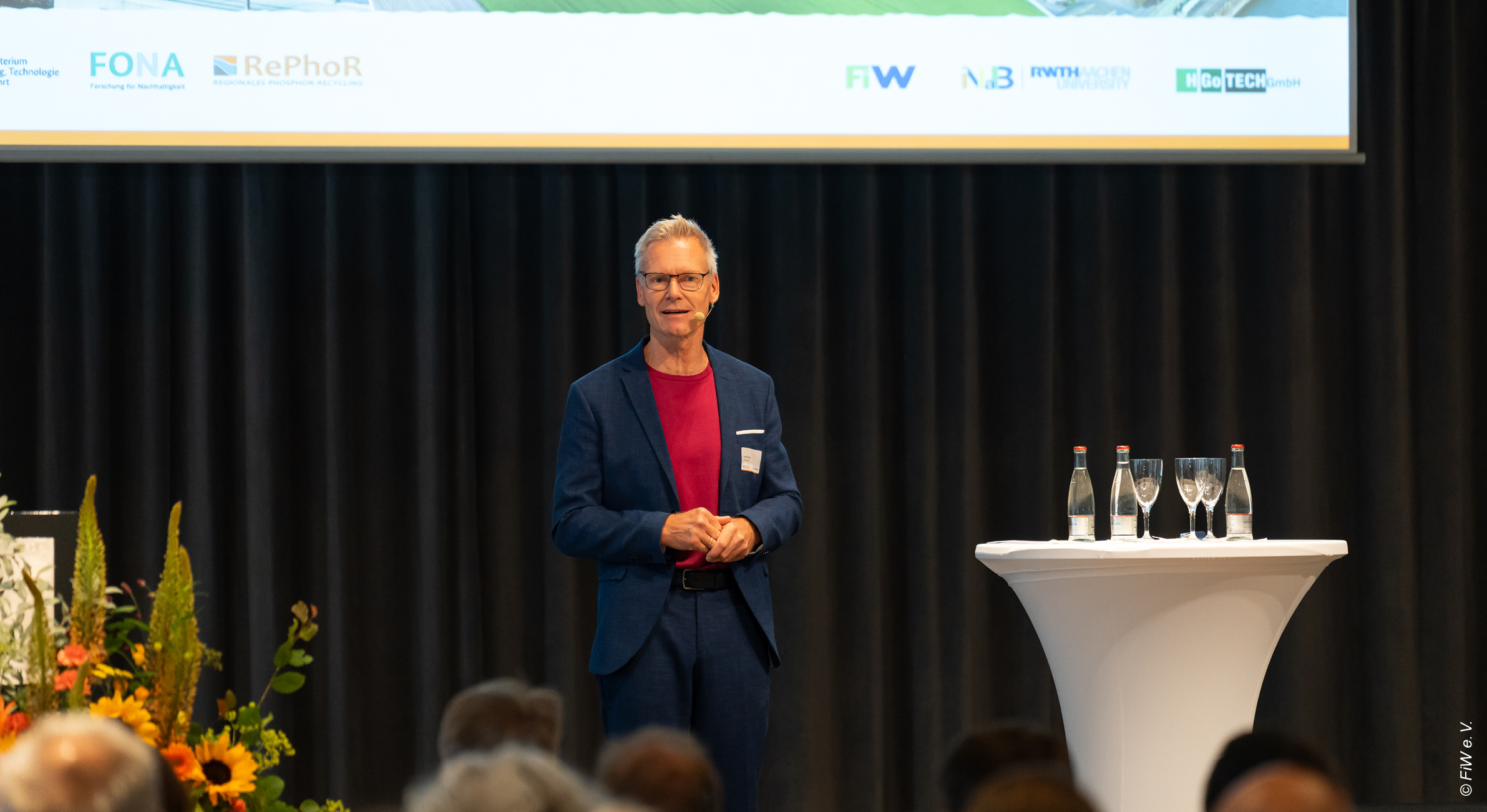
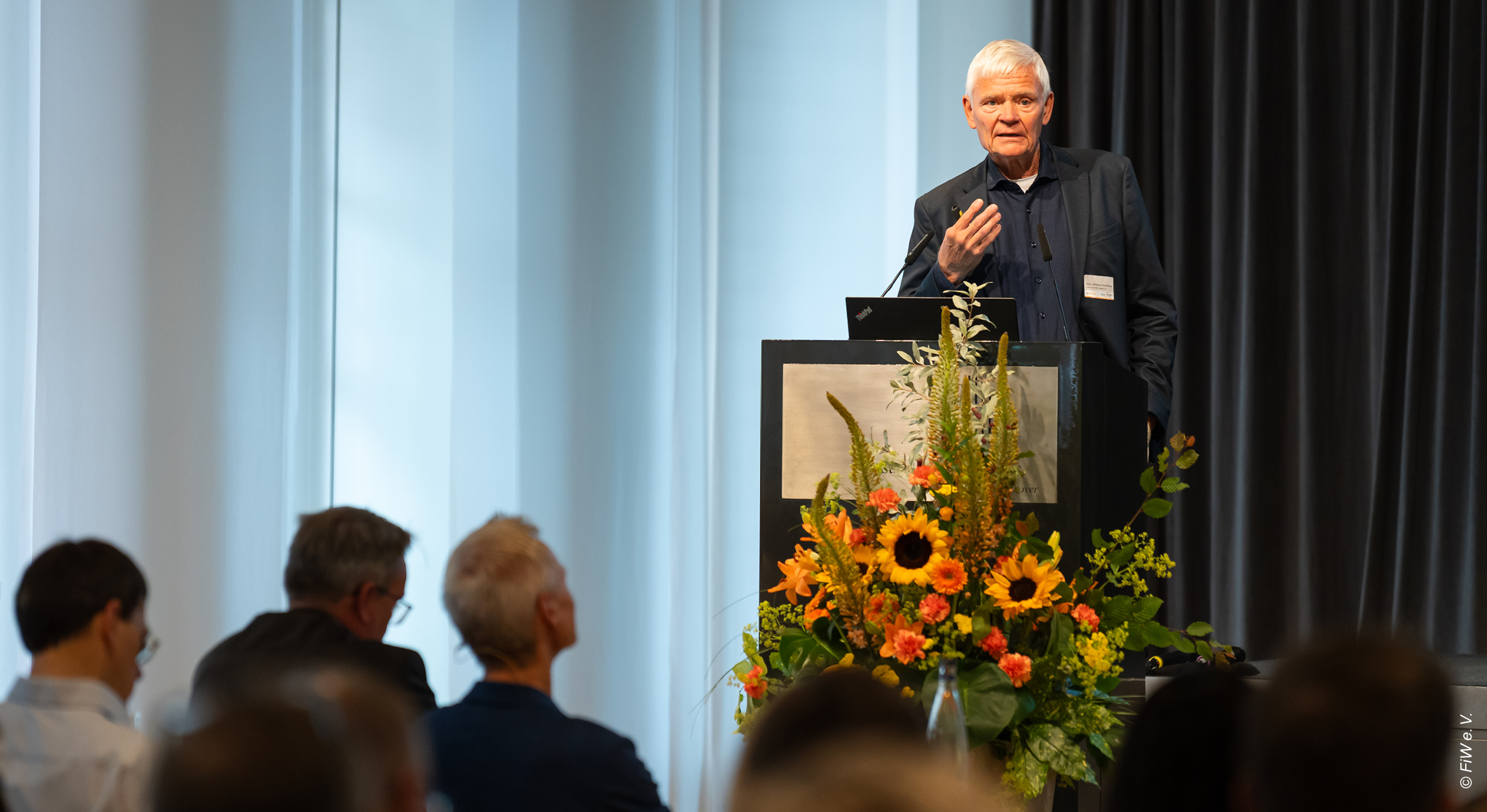
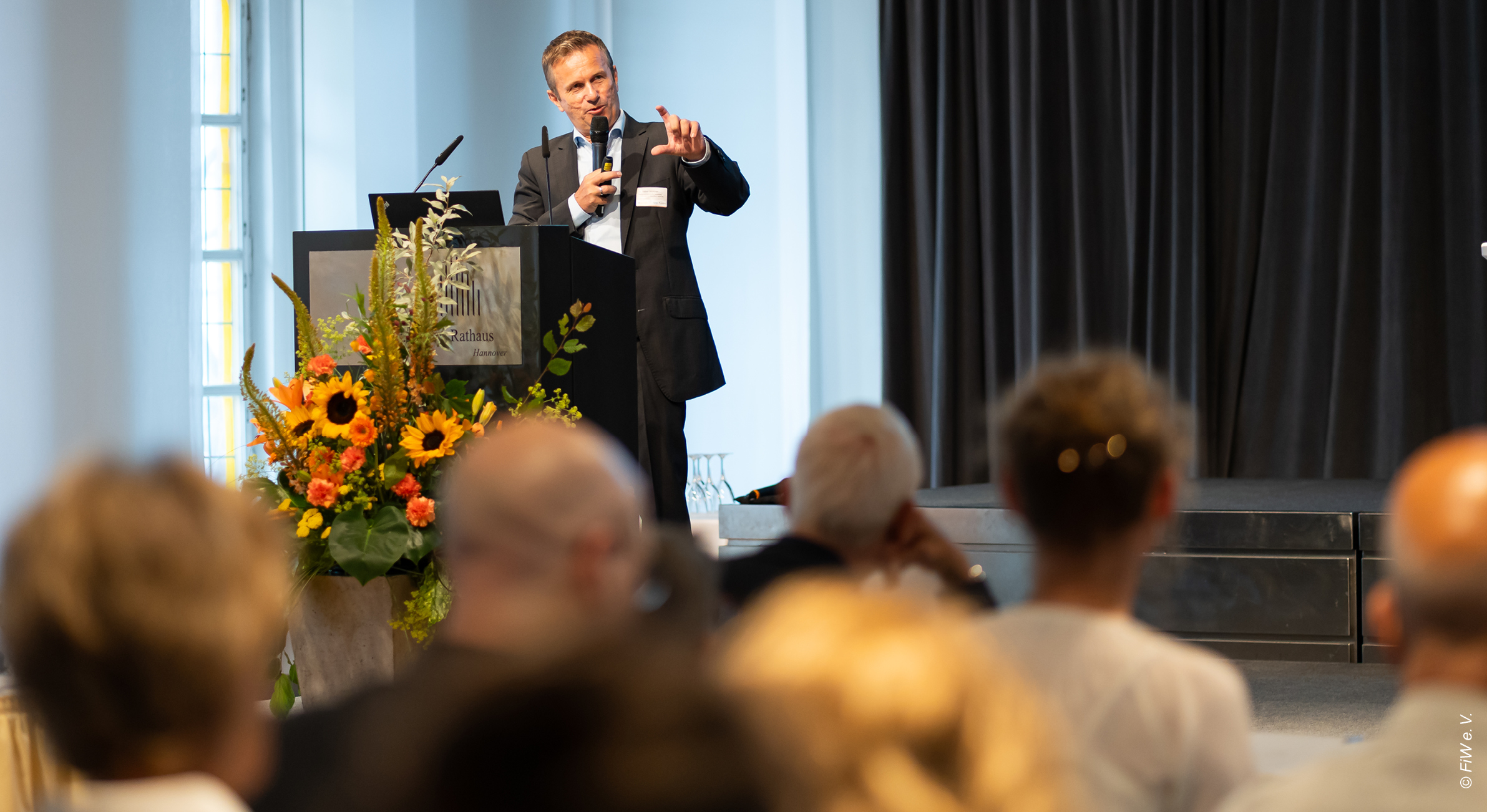
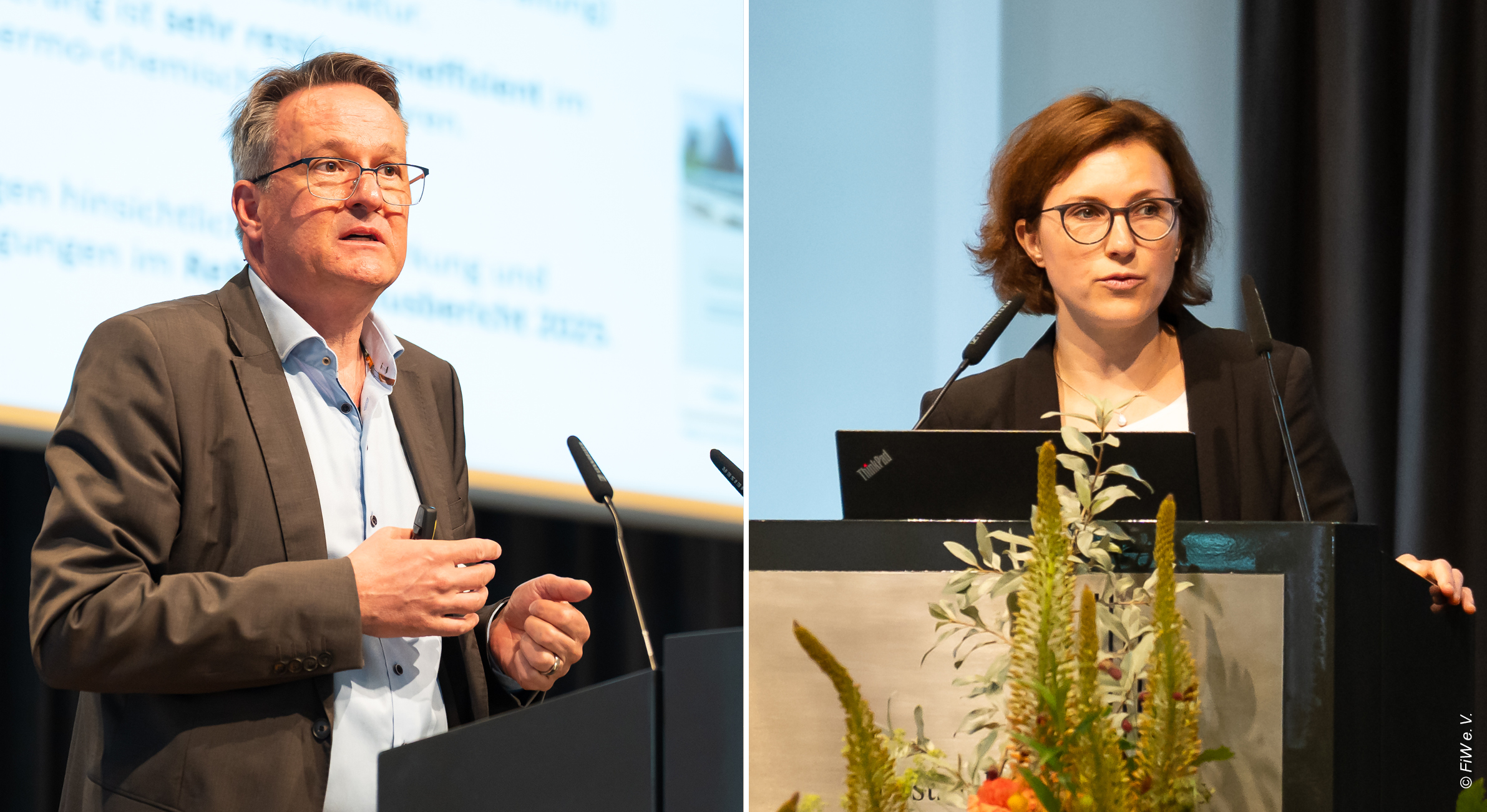
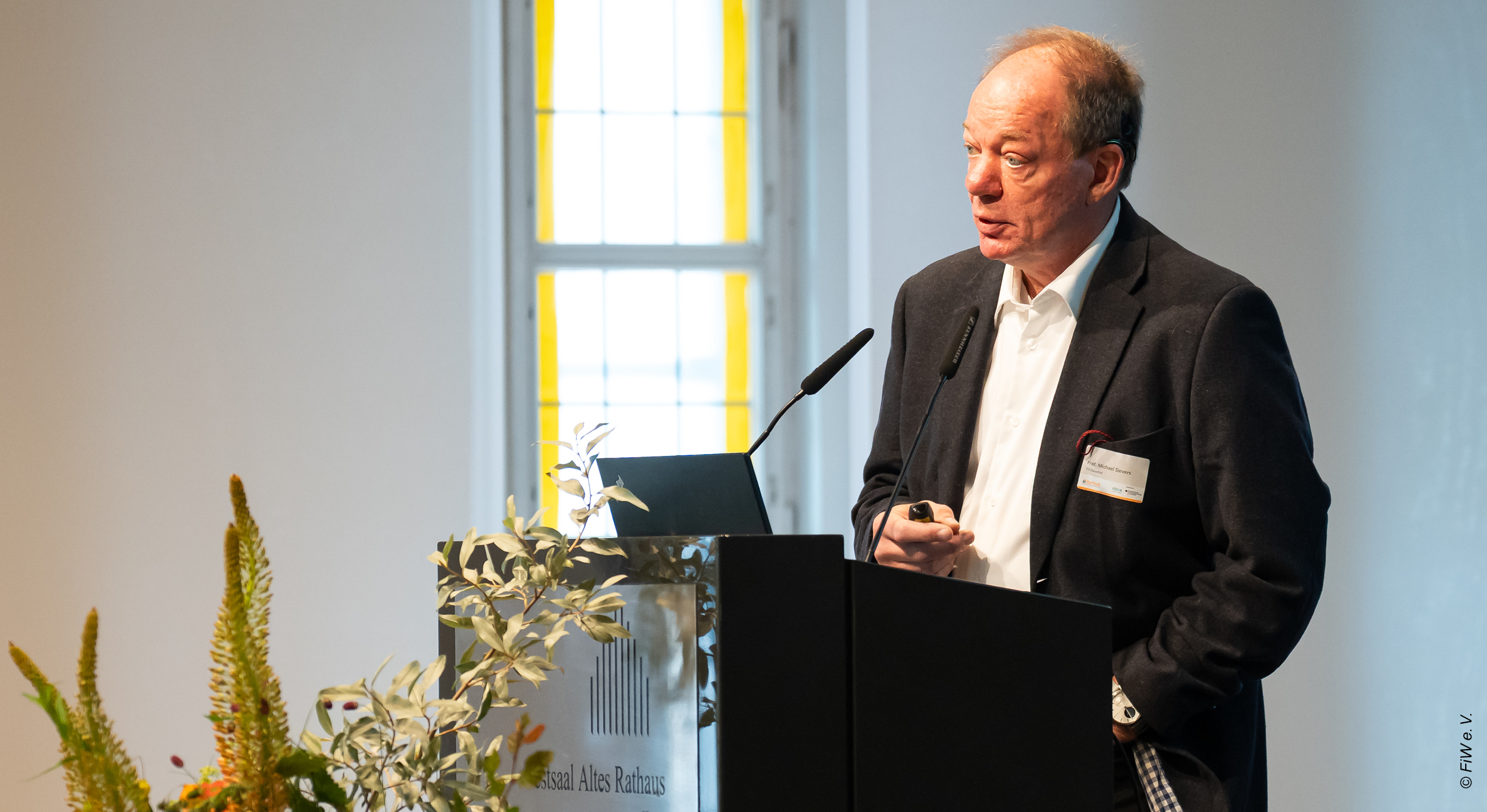
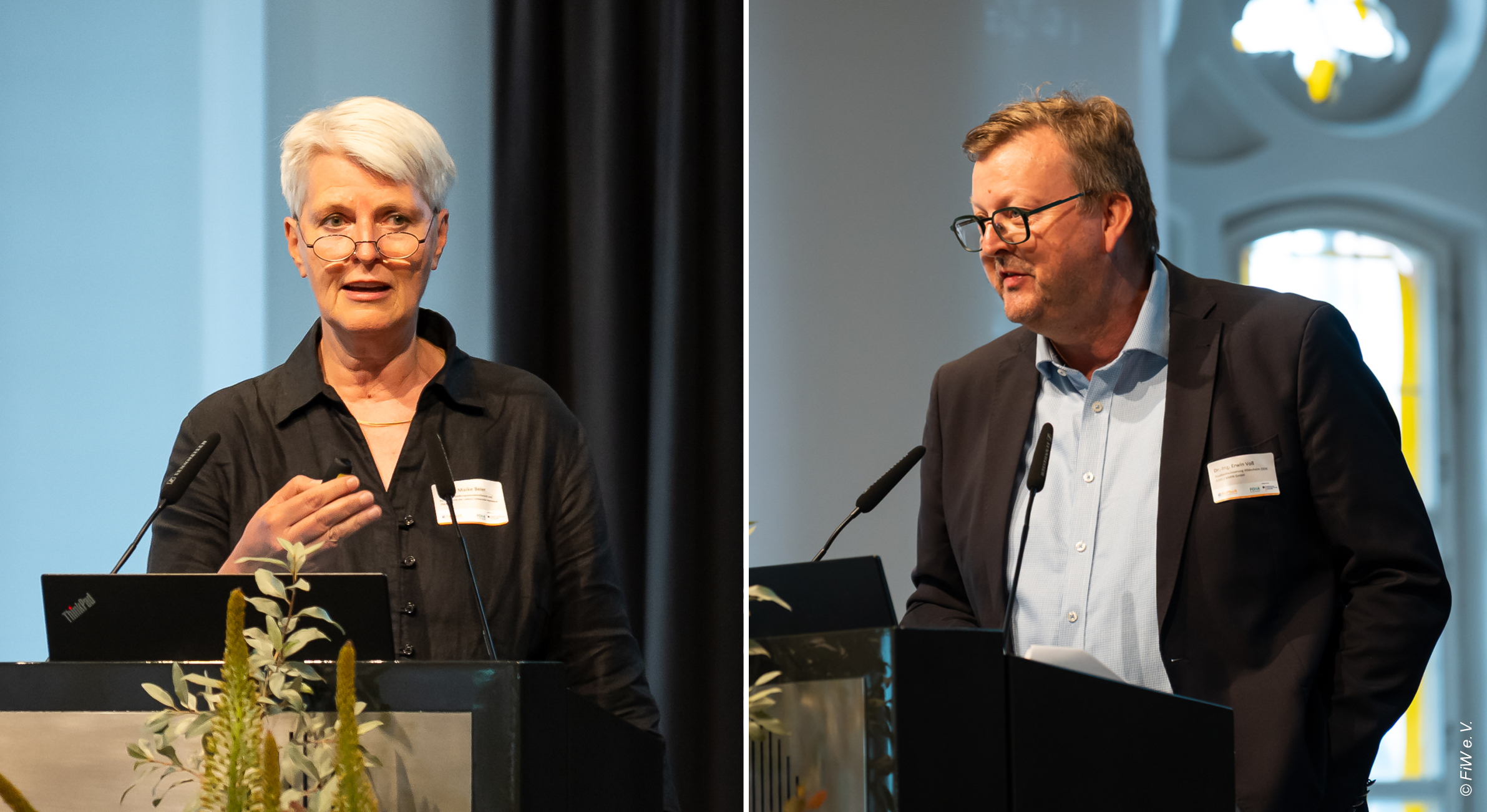
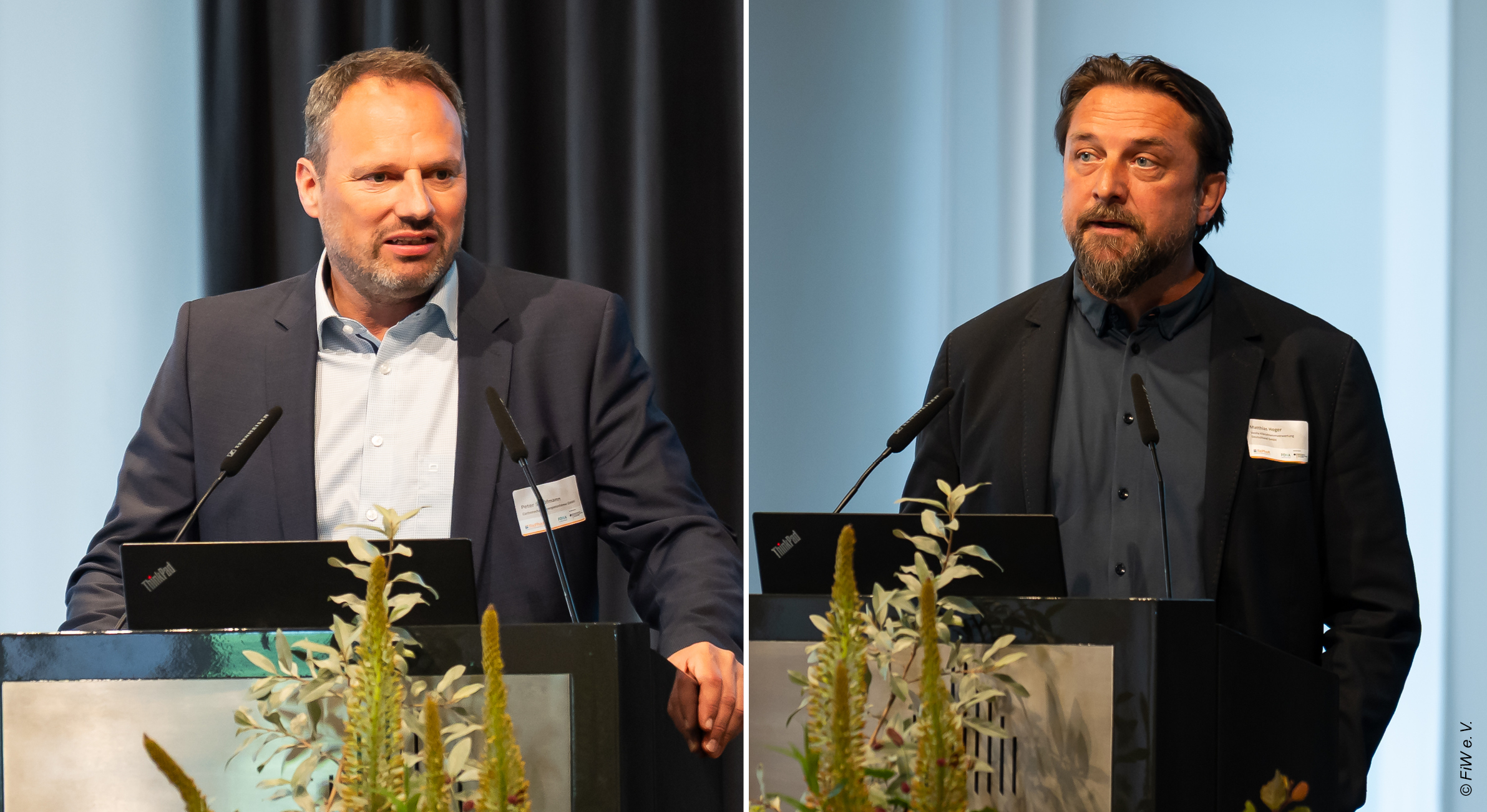
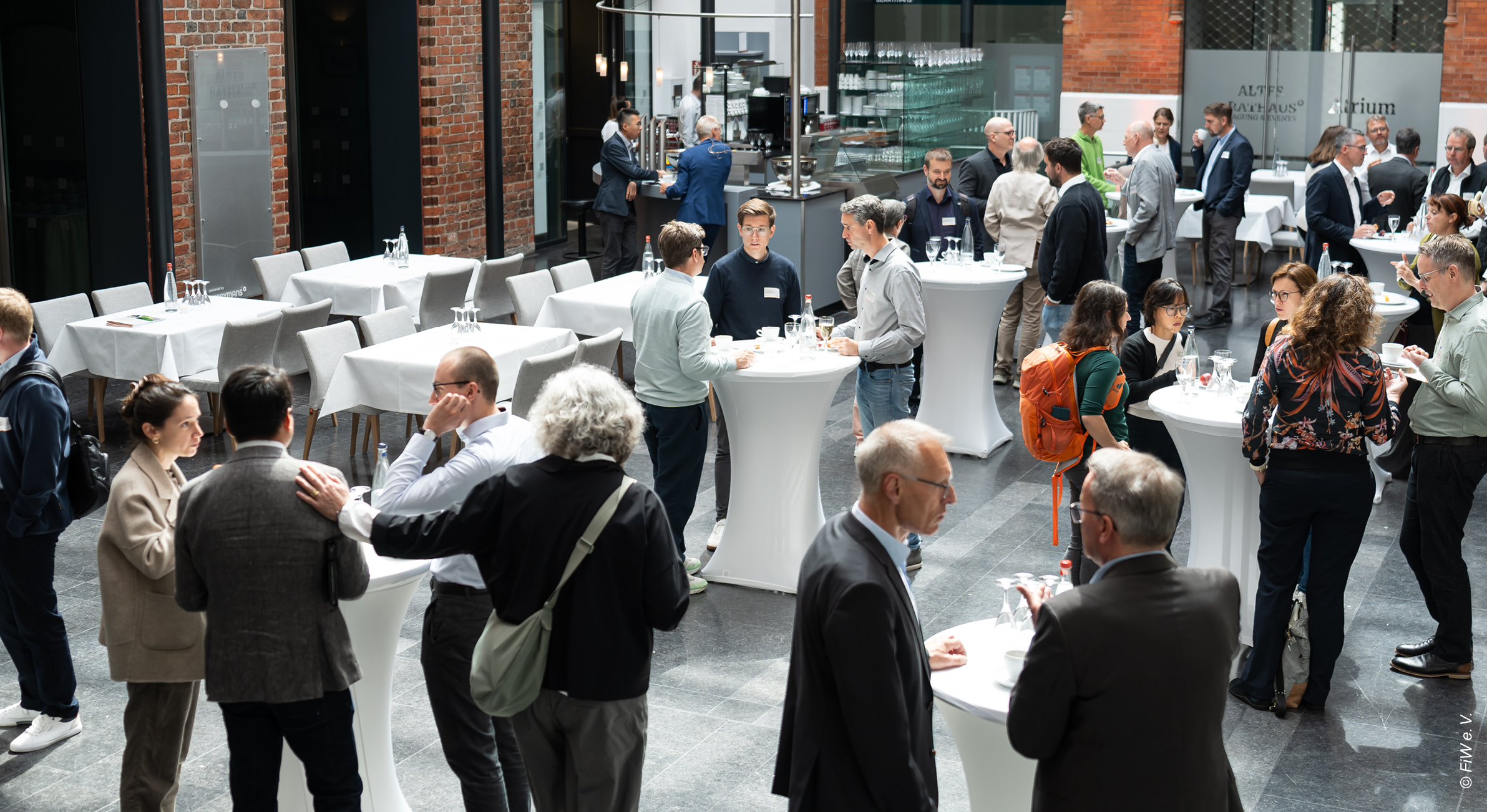
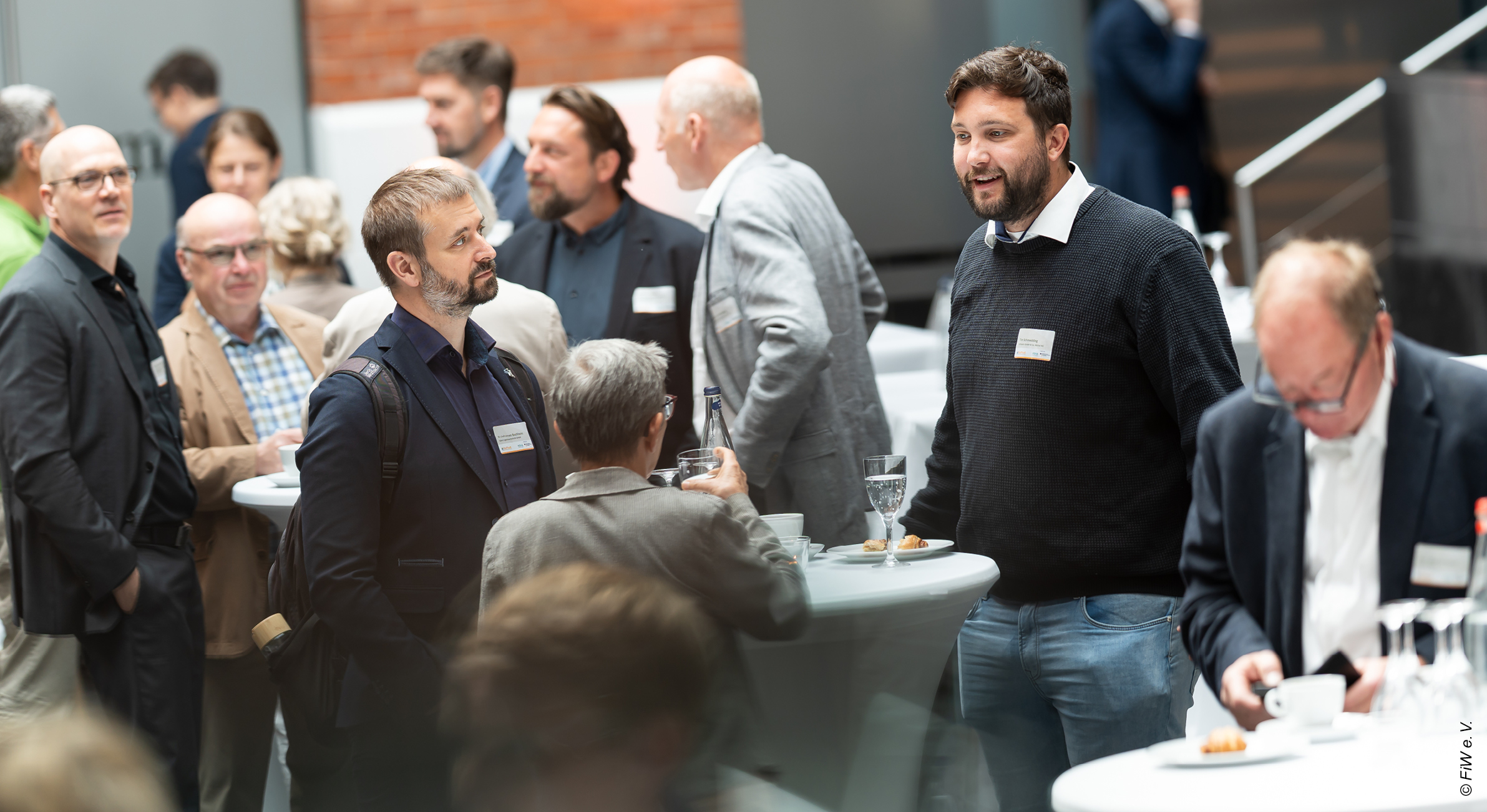
On June 16, 2026, around 120 experts from municipalities, science, authorities and industry gathered at the Old Town Hall in Hanover to take stock of the results of the BMFTR funding initiative Regional Phosphorus Recycling (RePhoR). Six years of research and implementation have shown that the technology works. The real task is only just beginning.

Phosphorus is indispensable for agriculture and therefore for food security. At the same time, Germany has no domestic raw phosphate deposits and is entirely dependent on imports, predominantly from politically unstable regions. Sewage sludge contains significant amounts of phosphorus – and the revised Sewage Sludge Ordinance (AbfKlärV) obliges wastewater treatment plant operators to recover this phosphorus starting in 2029 and 2032 respectively. RePhoR, the BMFTR (Federal Ministry of Research, Technology and Space) funding initiative launched in 2020, has supported seven joint projects over the past six years that tested various recovery processes under real-world conditions. The transfer event served to present results and to facilitate discussion and networking in order to further advance the exchange.

The first part of the day was devoted to project results. The seven joint projects – P-Net, KlimaPhoNds, SATELLITE, DreiSATS, R-Rhenania, AMPHORE and RePhoRM – pursued three fundamentally different recovery routes: phosphorus recovery directly within the wastewater treatment process as struvite, thermochemical treatment of sewage sludge, and wet-chemical treatment of sewage sludge ash.

P-Net presented experience with the PECO process, which further develops the established struvite route. KlimaPhoNds demonstrated decentralized recovery at the Northeim wastewater treatment plant, which also uses the sludge’s drying energy and thereby reduces the plant’s energy demand. SATELLITE showed, using the example of the KNRN treatment plant network, how model-based scenario analyses can support municipalities in strategic decisions about regional cooperation models.

The thermochemically operating projects DreiSATS and R-Rhenania developed processes that convert sewage sludge or sewage sludge ash into a recyclable fertilizer – DreiSATS also includes an additional wet-chemical process route that enables decentralized recovery.

AMPHORE and RePhoRM relied on wet-chemical processes for ash utilization – AMPHORE already at industrial scale at the Ruhrverband and the Emschergenossenschaft, RePhoRM with a pilot plant in the Rhine-Main region incorporating industrial and agricultural material cycles.

The conclusion after six years: phosphorus recycling is technically feasible via various approaches. Recyclate quality has been demonstrated and meets legal requirements. Some projects will be transferred into industrial-scale implementation after the project concludes.

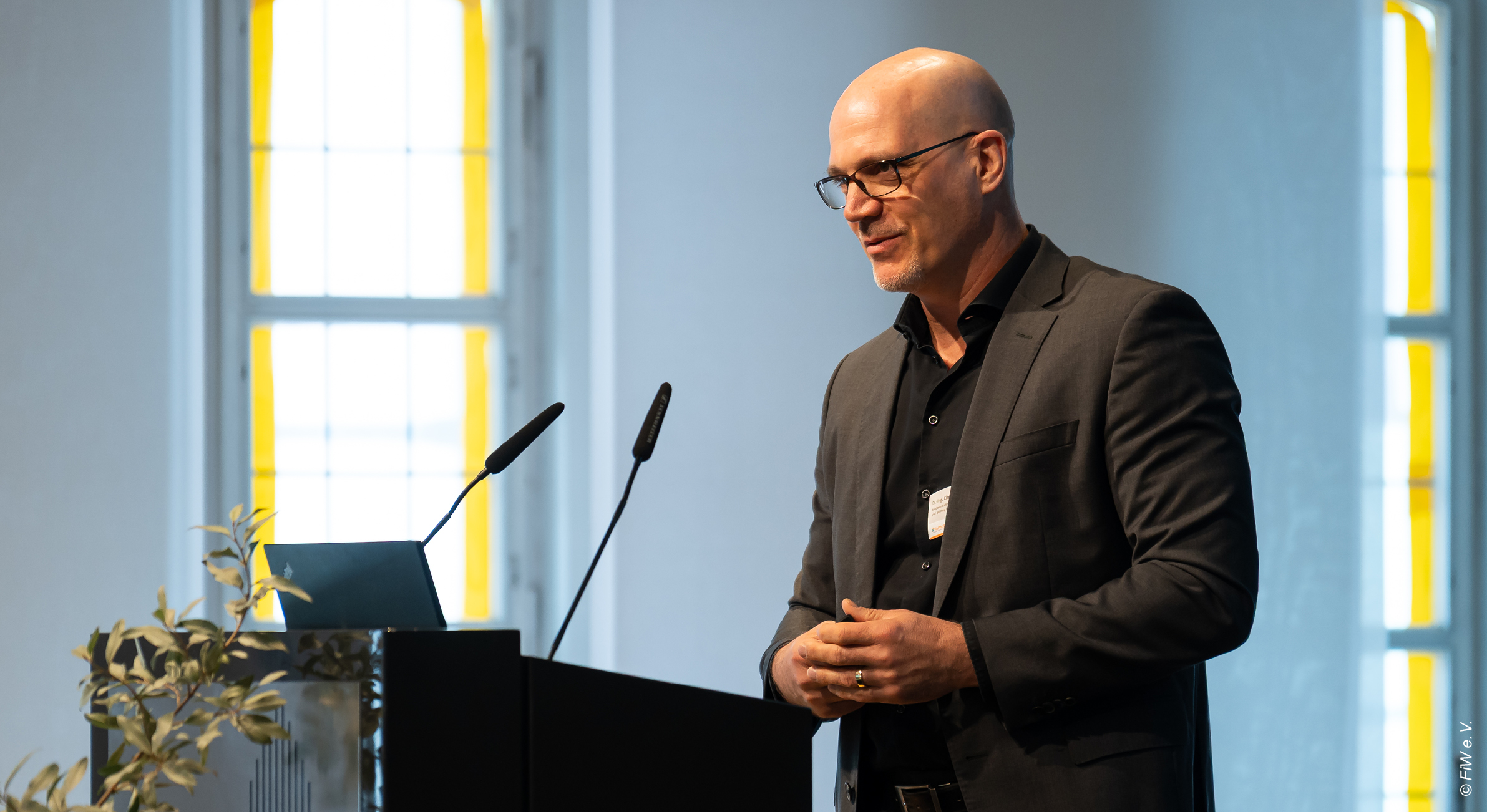
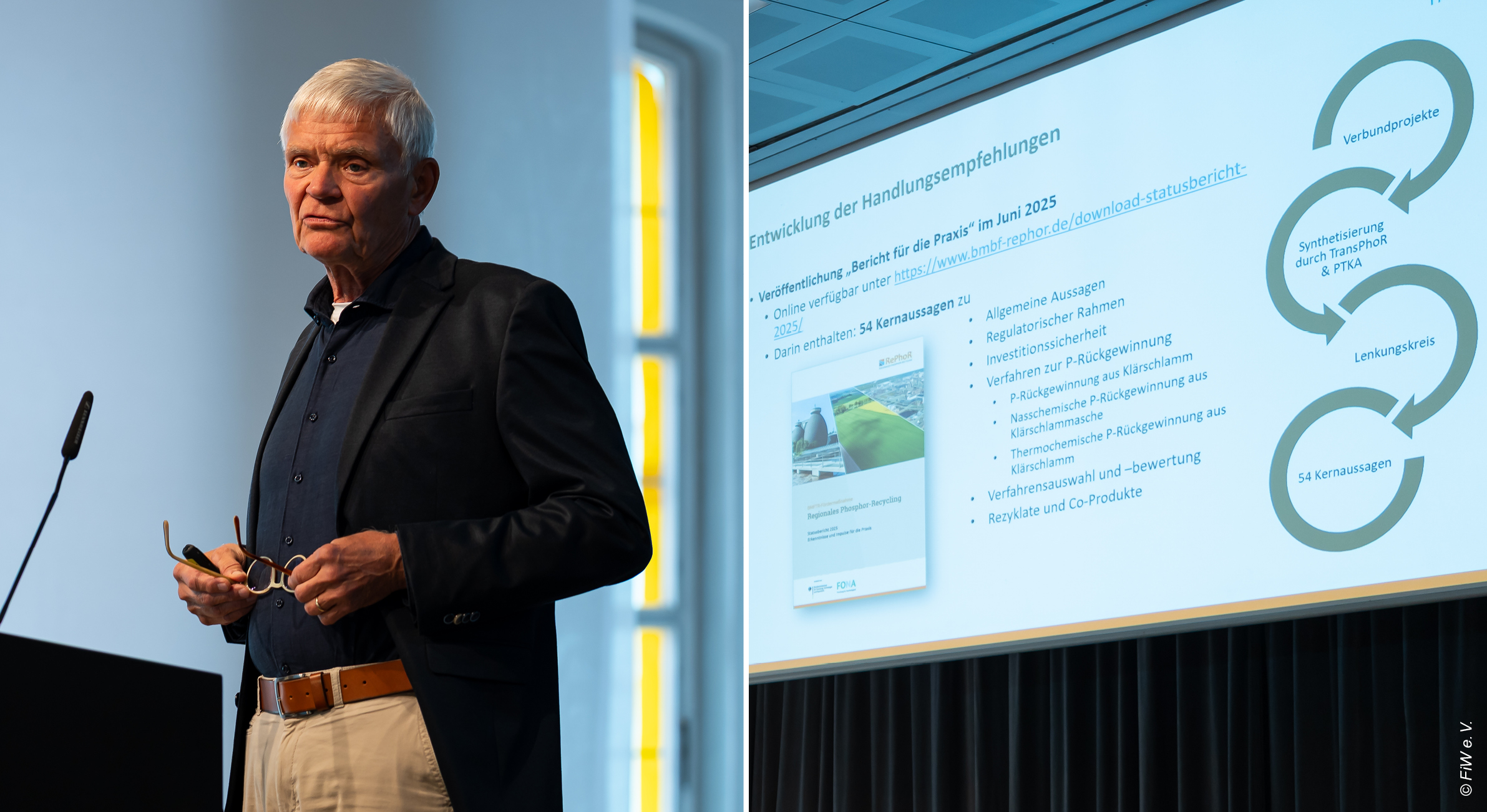
Prof. Dr.-Ing. Johannes Pinnekamp, scientific coordinator of the accompanying project TransPhoR, opened the second event block with a key framing point: many questions about the technology, the regulatory framework, organizational models and market development for phosphorus recyclates remain open. Over the past months, concrete action recommendations were developed together with the joint projects, particularly the steering committee. These recommendations are aimed at two target groups: local actors such as municipalities, municipal councils, associations and operators on the one hand, and the federal and state governments on the other.

For operators, the first recommendation is not to select a technology. What’s needed first is stable cooperation structures. Operators should determine early on which neighboring municipalities or associations they can approach phosphorus recovery together with, since not every process is suitable for every plant. Which process is appropriate depends largely on sludge quantity, sludge quality and seasonal fluctuations. Operators therefore need to know their sludge well before formulating viable tenders or entering into cooperations. Recovery pathways must be linked early to sales channels, and financing and responsibilities must be clarified in good time.

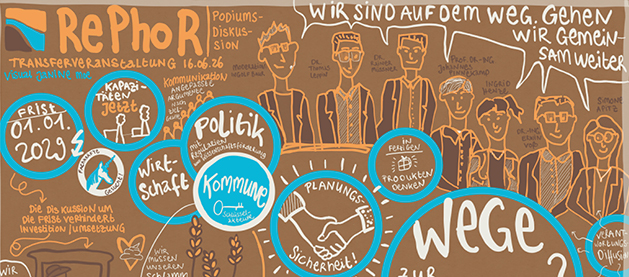
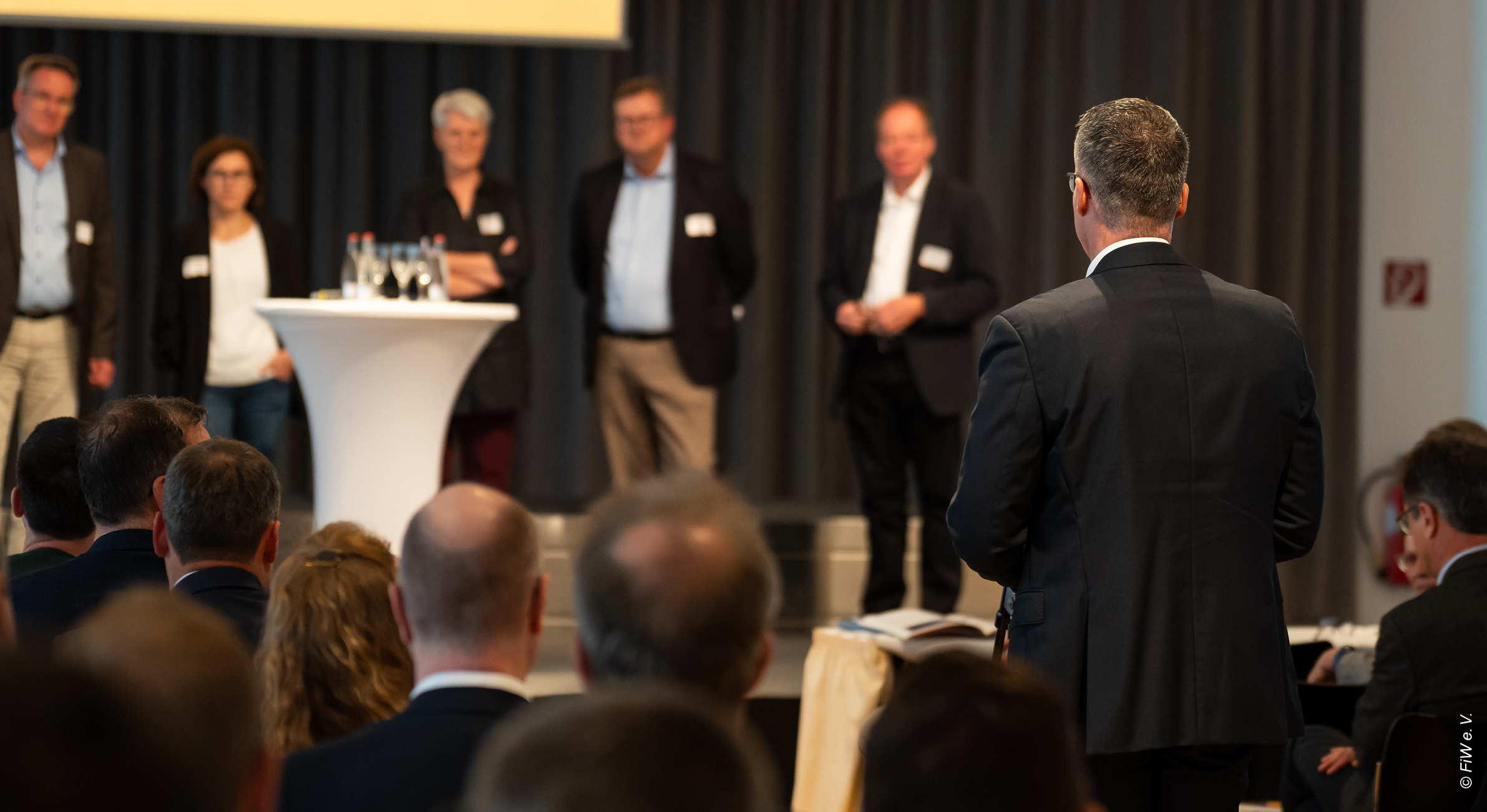
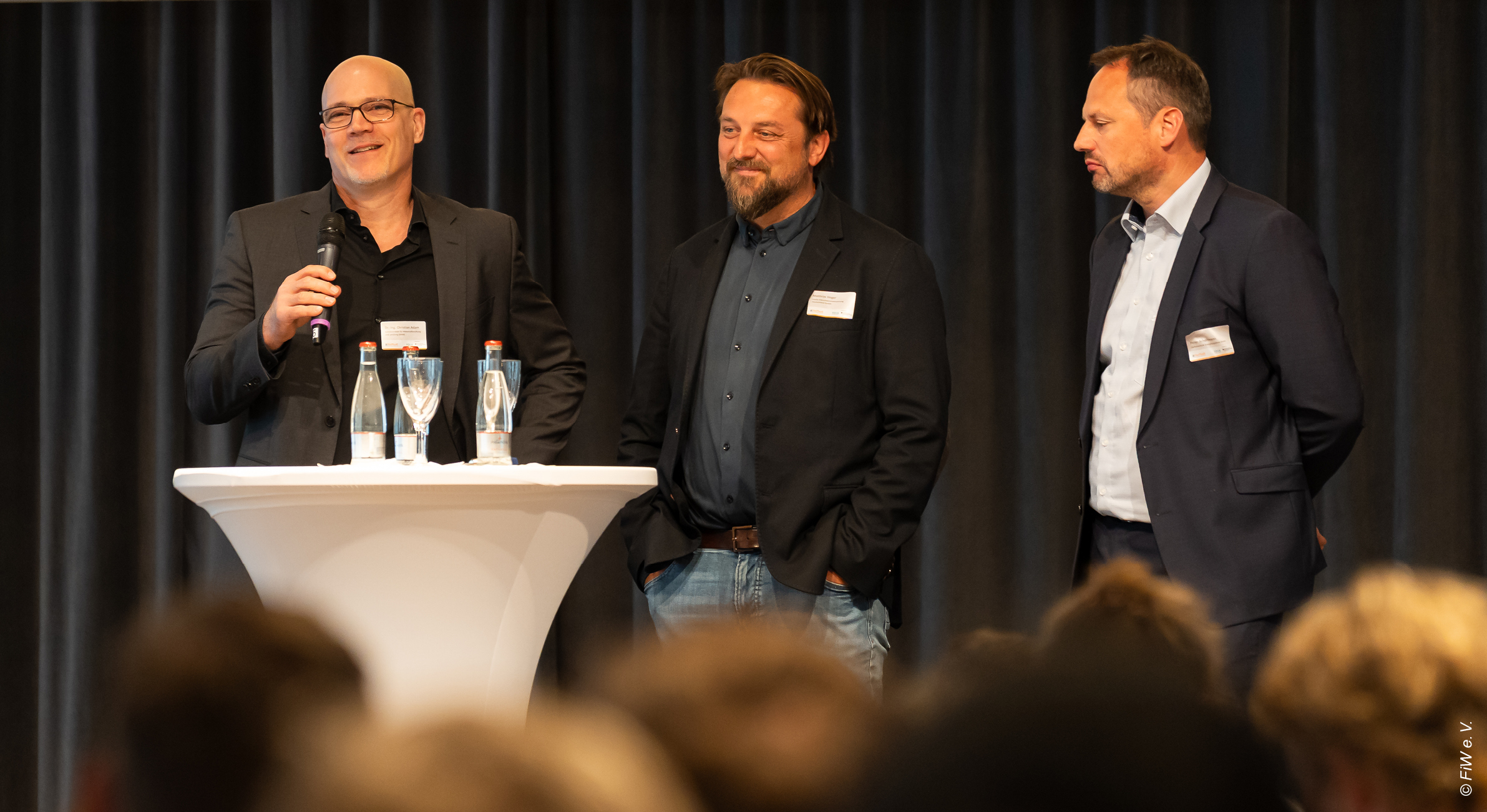
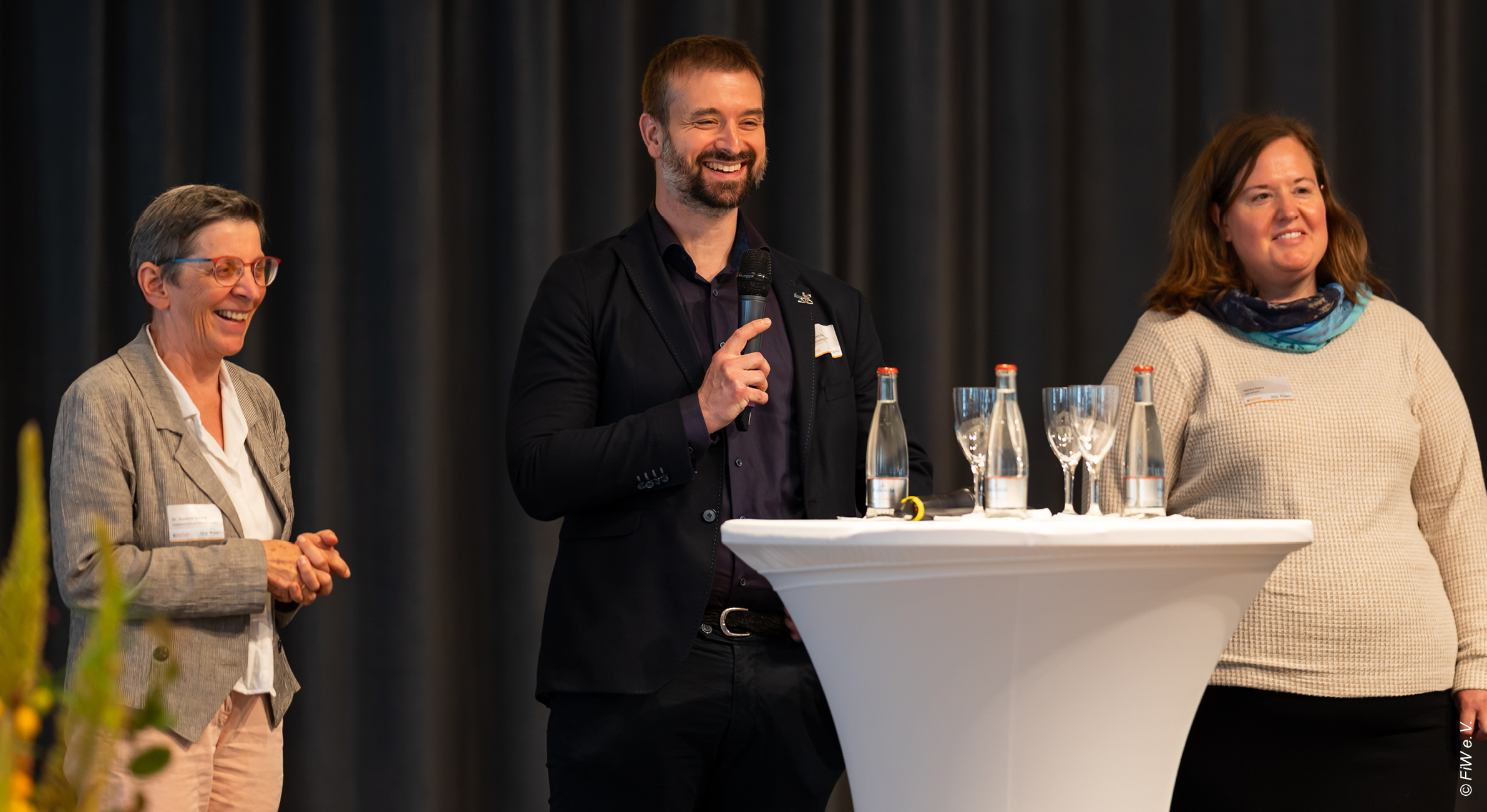
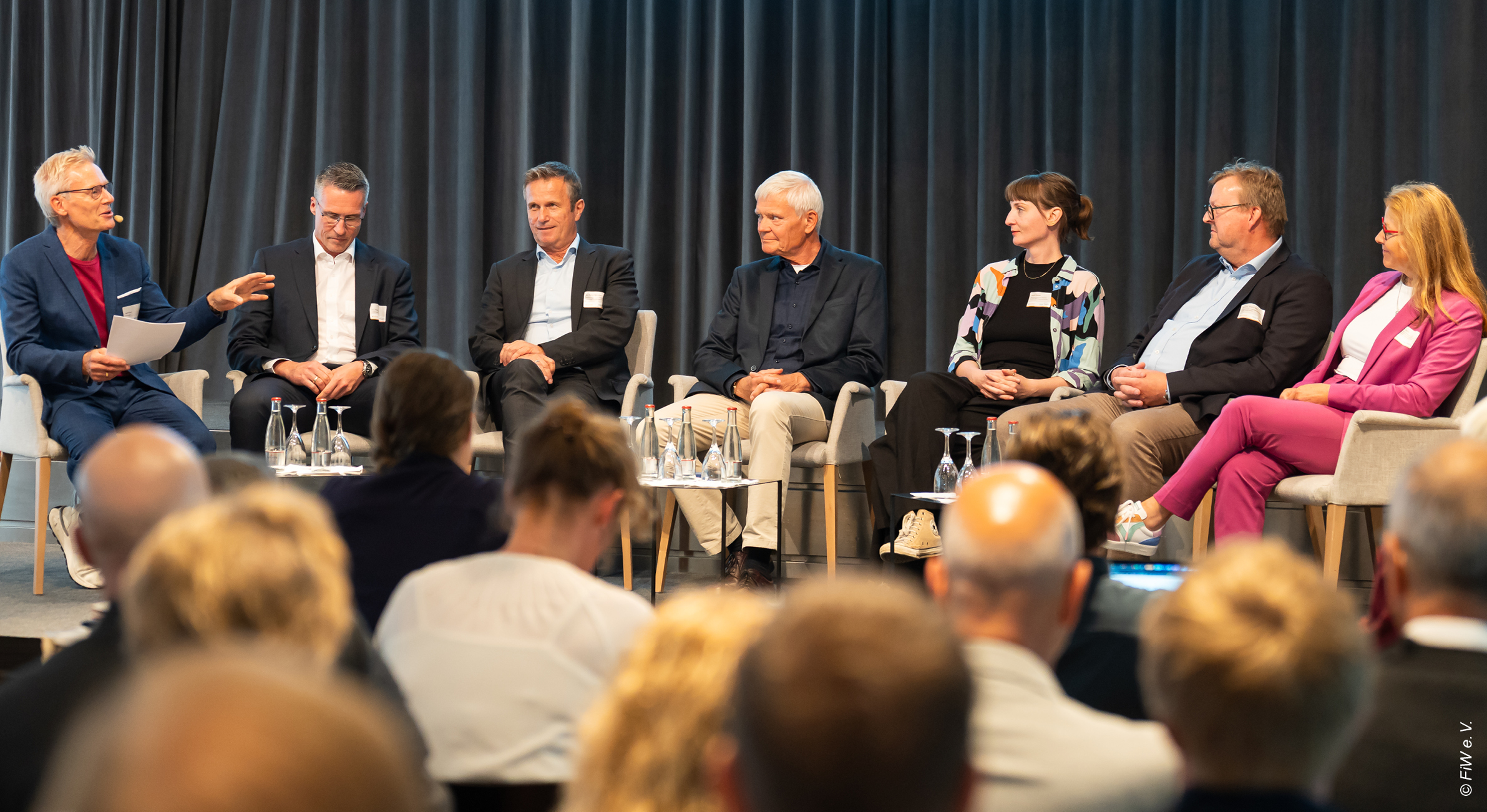
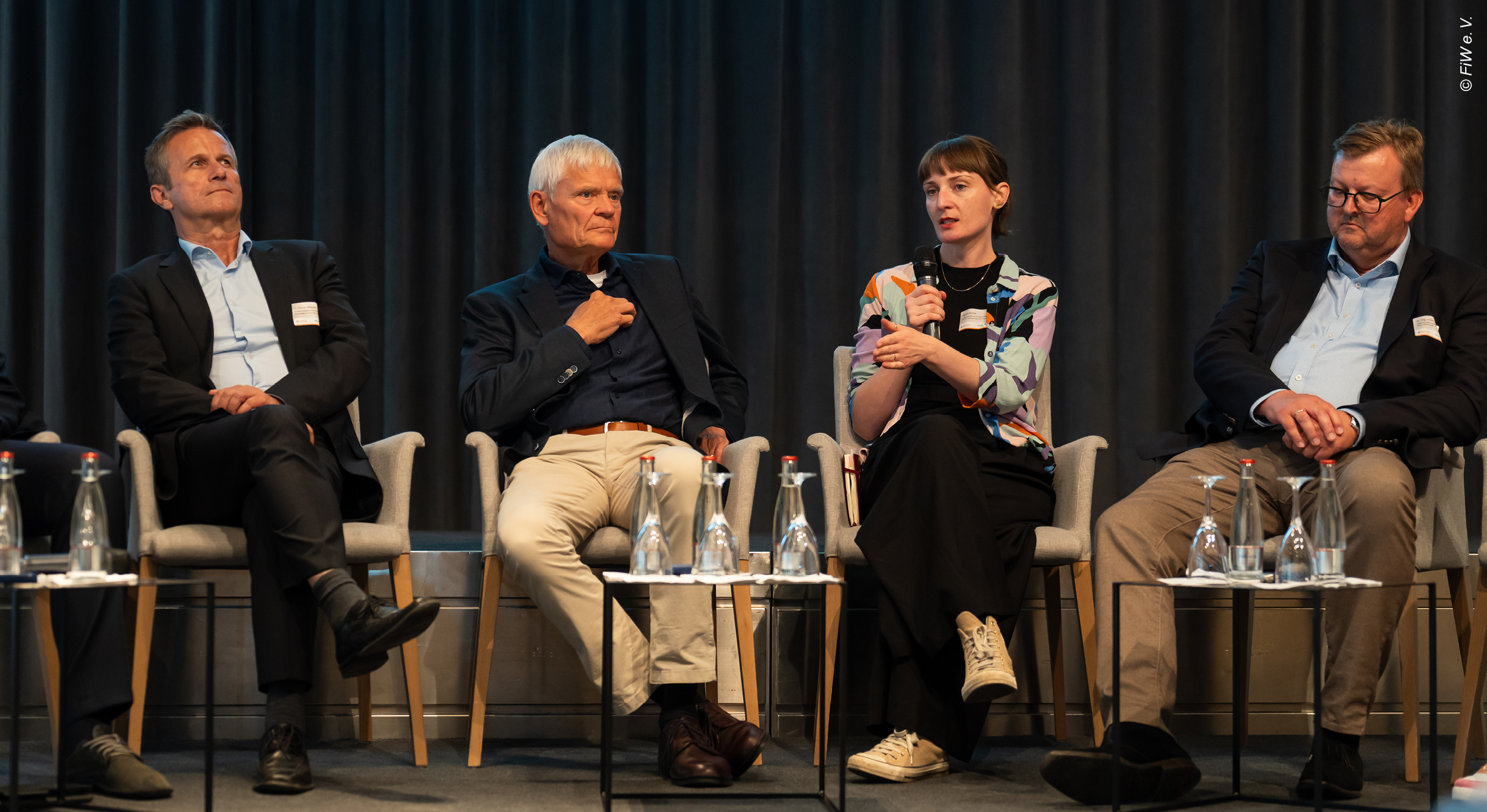
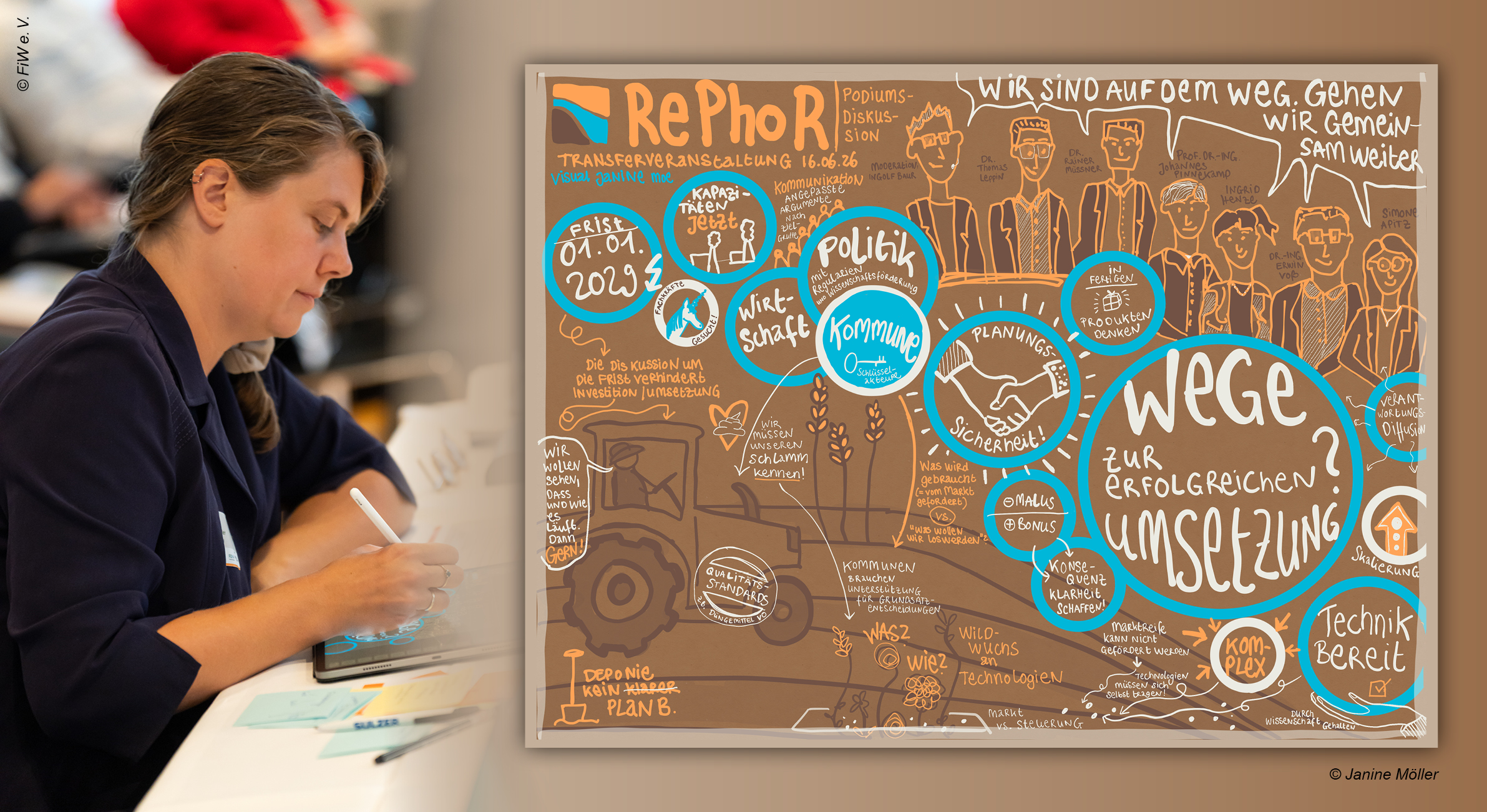
The day concluded with a panel discussion titled “Phosphorus Recycling in Practice: Paths to Successful Implementation?”, with representatives from the BMFTR, the fertilizer industry, LAGA, DWA, DPP and TransPhoR. The key points of the discussion were visually documented through graphic recording.

There was agreement that the technical prerequisites for getting started are in place. The discussion centered mainly on the question of who takes on which responsibility. Several participants pointed to a factor currently inhibiting investment: the ongoing debate about postponing the statutory deadlines. The Federal Ministry for the Environment has clearly rejected such a postponement – yet the debate itself creates uncertainty among planners and operators and delays decisions.

Skilled labor shortages were named as a further structural obstacle. Wet-chemical processes in particular require process engineering expertise that is often not available at wastewater treatment plants. Municipalities need support for fundamental decisions – from science, but also from the federal and state governments through reliable regulatory frameworks.

The fertilizer industry signaled interest in the recyclates from RePhoR. At the same time, there was a call for a more open dialogue between producers and buyers than has existed so far.

The conclusion of the discussion: municipalities are the key actors at the center, but cannot act alone. Business, politics and science must proceed jointly and in coordination – and do so now, since there is little time left until 2029.

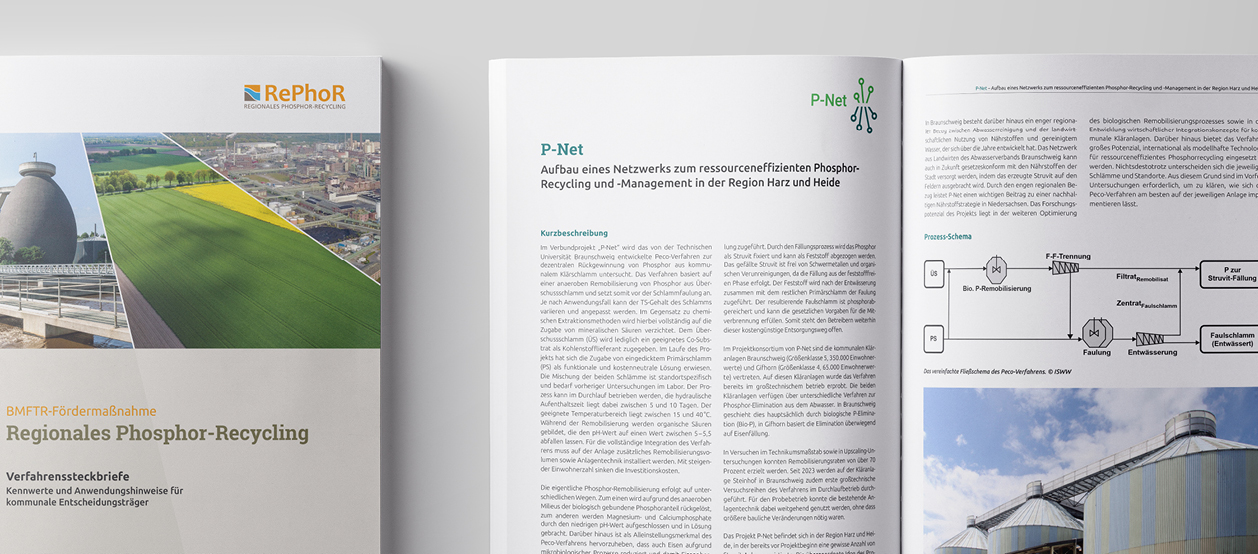
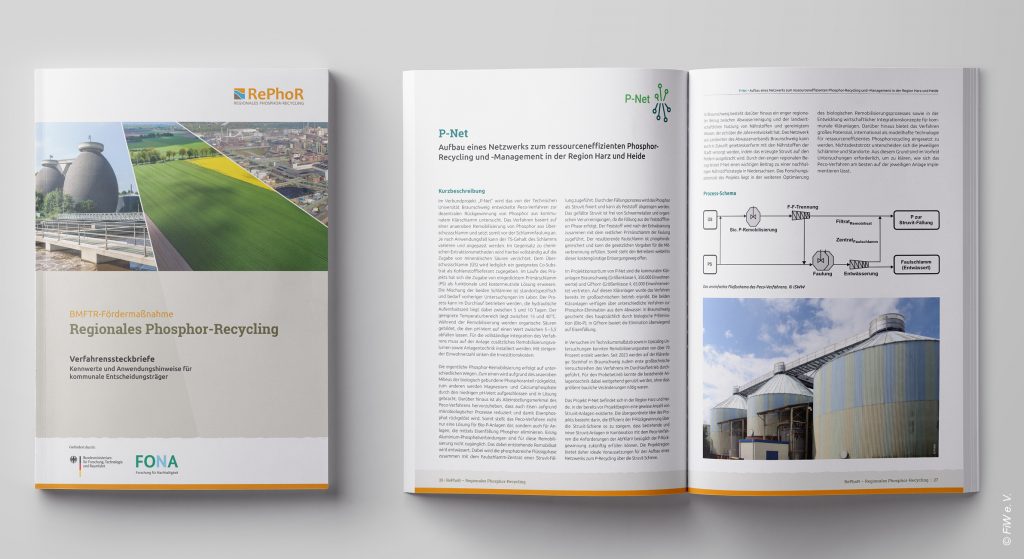
All project results are summarized in the accompanying publication for the transfer event. Technical details on process data, recyclate quality and operational requirements are provided in the process profiles of the seven joint projects. Both publications, along with further materials, are available at https://www.bmbf-rephor.de/publikationen-ergebnisse/ (at the moment, only available in German). Further information can be found in the announcement on the FONA website: https://www.fona.de/de/phosphorrecycling-technik-bereit-umsetzung-stockt.

New Process Fact Sheets: RePhoR Technologies at a Glance

New Process Fact Sheets: RePhoR Technologies at a Glance

Process fact sheets are now available for download for all seven collaborative projects within the BMFTR funding initiative RePhoR. Each sheet provides a concise overview of the key technical information on the respective recycling process: a short project description, a process diagram, process data, properties of the recovered phosphorus recyclates, and notes on operational requirements. The fact sheets are aimed at anyone seeking a quick, well-founded introduction to the processes developed and tested within RePhoR, whether as a reference for their own planning or as a starting point for exploring the project documentation.

Strong interest in the final conference of the P-Net project

Strong interest in the final conference of the P-Net project

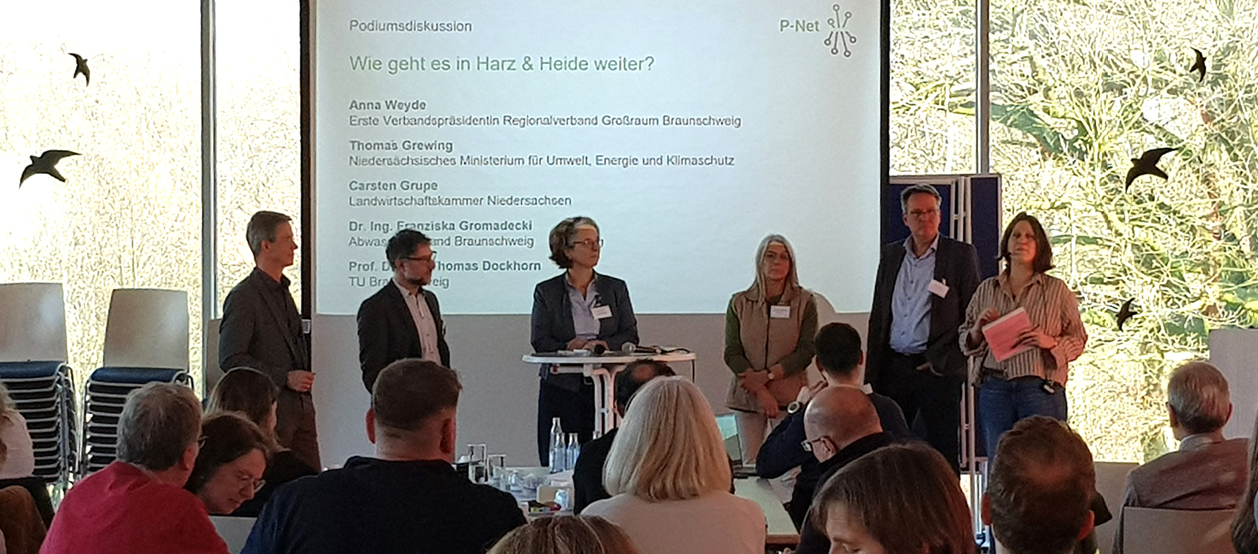
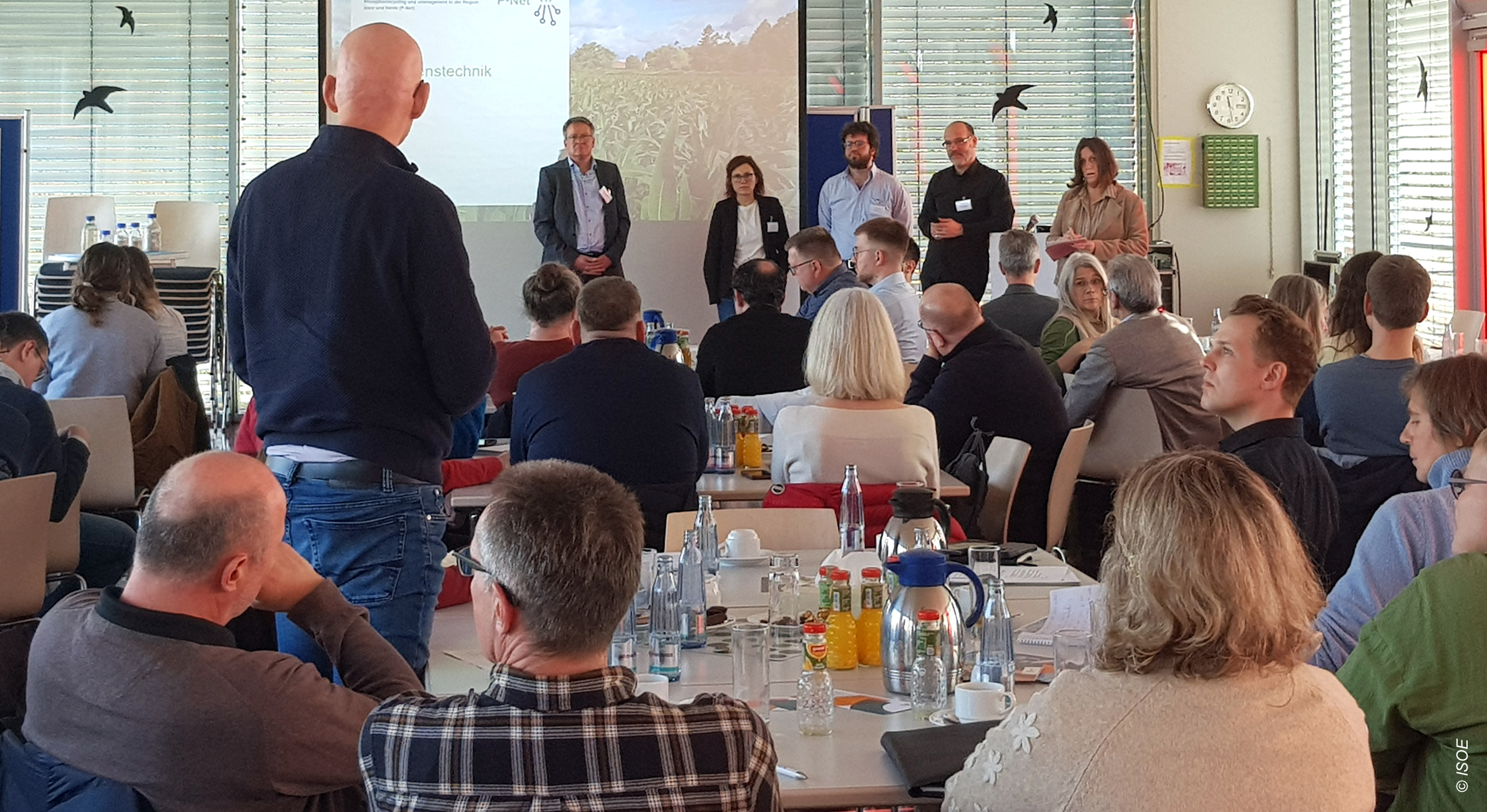
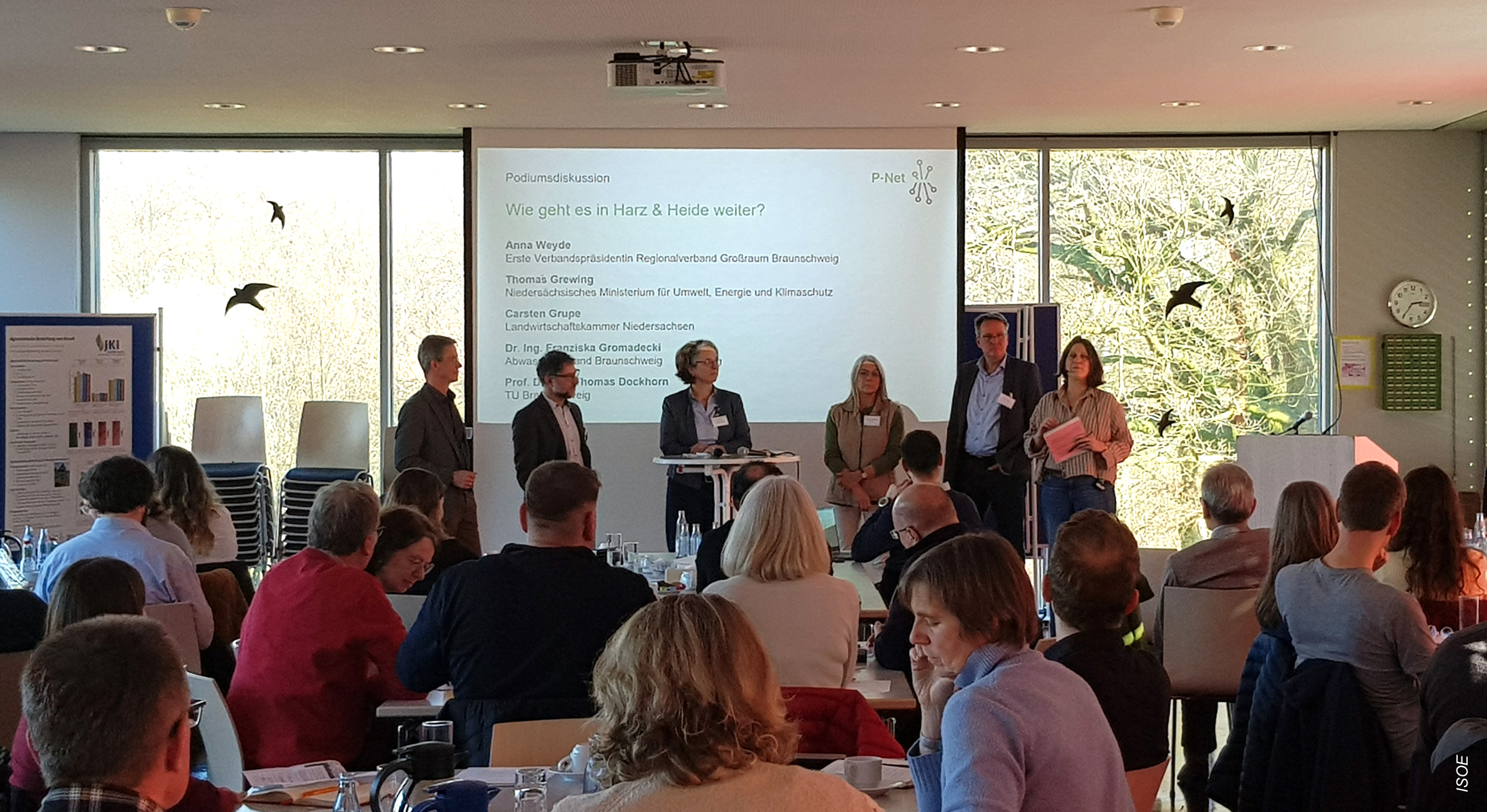
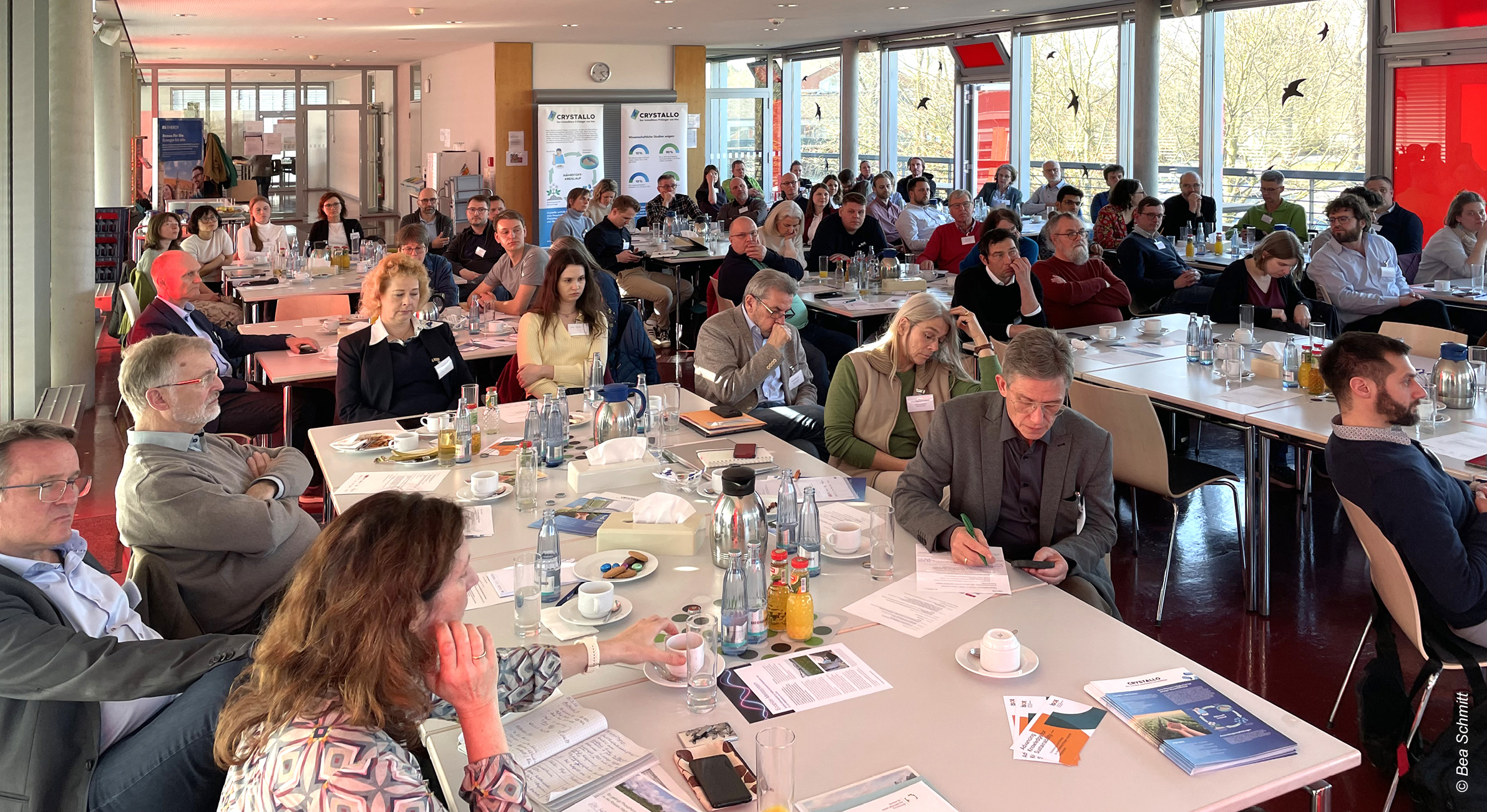
On March 3, 2026, the final conference of the research project P-Nets took place at the Steinhof wastewater treatment plant in Braunschweig. The event attracted great interest and saw a high number of participants from academia, industry, public administration, and agriculture. In an open and engaging atmosphere, lively discussions and many valuable conversations took place about the future of regional phosphorus recycling.

Following registration and welcome addresses by Dr.-Ing. Franziska Gromadecki (Braunschweig Wastewater Association) and Prof. Dr.-Ing. Thomas Dockhorn (TU Braunschweig, ISWW), the technical program began with a focus on process engineering. Among other topics, the PECO process for resource-efficient phosphorus recycling using struvite was presented, along with experiences from pilot applications at wastewater treatment plants in Braunschweig and Gifhorn. Economic aspects of phosphorus recycling through remobilization and precipitation were also highlighted and subsequently discussed.

The second session focused on products and markets. Contributions addressed the pathway of struvite from wastewater treatment plants to fertilizer, its agronomic evaluation, and issues of branding strategy using the example of the struvite-based fertilizer “Crystallo”. Participants took the opportunity for in-depth professional exchange.

In the afternoon, attention turned to the future: under the title “Phosphorus recovery – quo vadis?”, possible marketing and implementation models for regional phosphorus recycling were presented. A panel discussion with representatives from the Lower Saxony Ministry of the Environment, the regional association, the Chamber of Agriculture, the water sector, and research institutions explored how progress in the region can continue.

The event concluded with closing remarks by Dr.-Ing. Martina Winker (ISOE), followed by a get-together where discussions continued in an informal setting. The final conference clearly demonstrated the strong interest in phosphorus recycling and highlighted the importance of continued exchange among stakeholders for further implementation in the region.

More information on the P-Net project can be found at https://bmbf-rephor.de/en/joint-projects/p-net/ and https://www.tu-braunschweig.de/en/isww/research/p-net-implementation

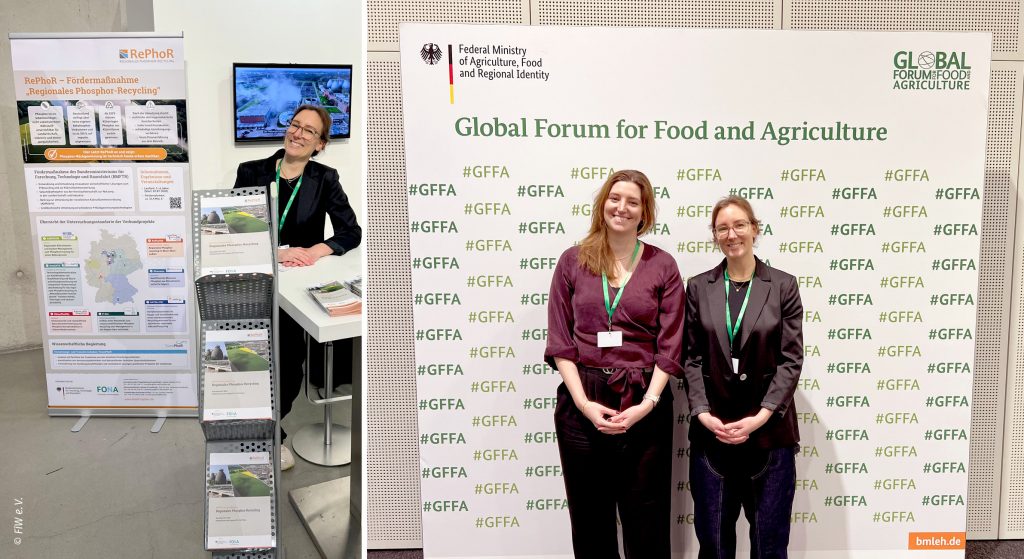
Global Forum for Food and Agriculture (GFFA) in Berlin: FiW is participating in the cooperation exchange with an exhibition stand for the BMFTR funding measure RePhoR

Global Forum for Food and Agriculture (GFFA) in Berlin: FiW is participating in the cooperation exchange with an exhibition stand for the BMFTR funding measure RePhoR

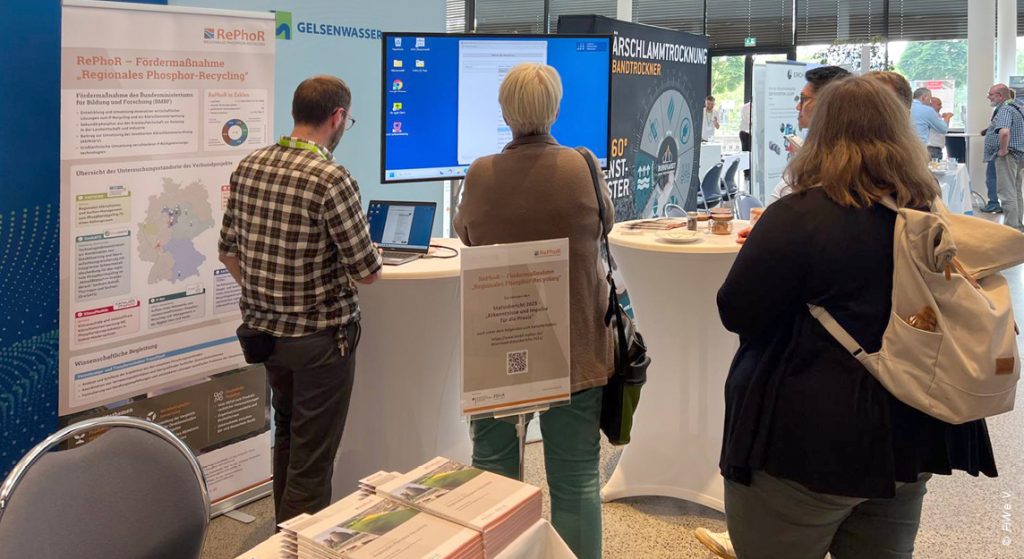
Impressions from the Global Forum for Food and Agriculture (GFFA) international conference. © FiW e. V.

Around 2,000 international visitors gathered in Berlin between 14 and 17 January to discuss the sustainable use of water in agriculture under this year’s theme ‘Water. Harvest. Our Future.’ The FiW was represented with an exhibition stand for the BMFTR funding measure RePhor Regional Phosphorus Recycling.

The Global Forum for Food and Agriculture (GFFA) international conference offers a wide range of opportunities for international networking on key issues for the future of global agriculture and food policy, with a total of 16 expert panels, three high-level panels and a cooperation exchange. The two-day cooperation exchange offers participants from business, science, associations and start-ups a space and opportunity for dialogue and exchange of experiences. The FiW was involved with its own stand on the BMFTR funding measure RePhoR – Regional Phosphorus Recycling – and was able to present and explain the project content in detail in numerous individual discussions with international participants.

Many of the people we spoke to had a professional background in agricultural and agrarian policy and were grateful to learn more about the potential for innovative phosphorus recycling in wastewater management. The feedback showed that there is still considerable potential for interdisciplinary cooperation in both fields and that even among experts, interdisciplinary solutions for securing resources and food security are not yet part of the mainstream approaches under discussion. Events such as the GFFA offer the opportunity to share knowledge beyond the boundaries of one’s own field and to identify synergies that can be further developed within future collaborations.

We would like to thank the organisers of the GFFA for the opportunity to participate as exhibitors at the cooperation exchange and look forward to being there again next year!

Phosphorus Recycling on the Way to Implementation: 10th RePhoR Steering Committee Meeting in Hannover

Phosphorus Recycling on the Way to Implementation: 10th RePhoR Steering Committee Meeting in Hannover

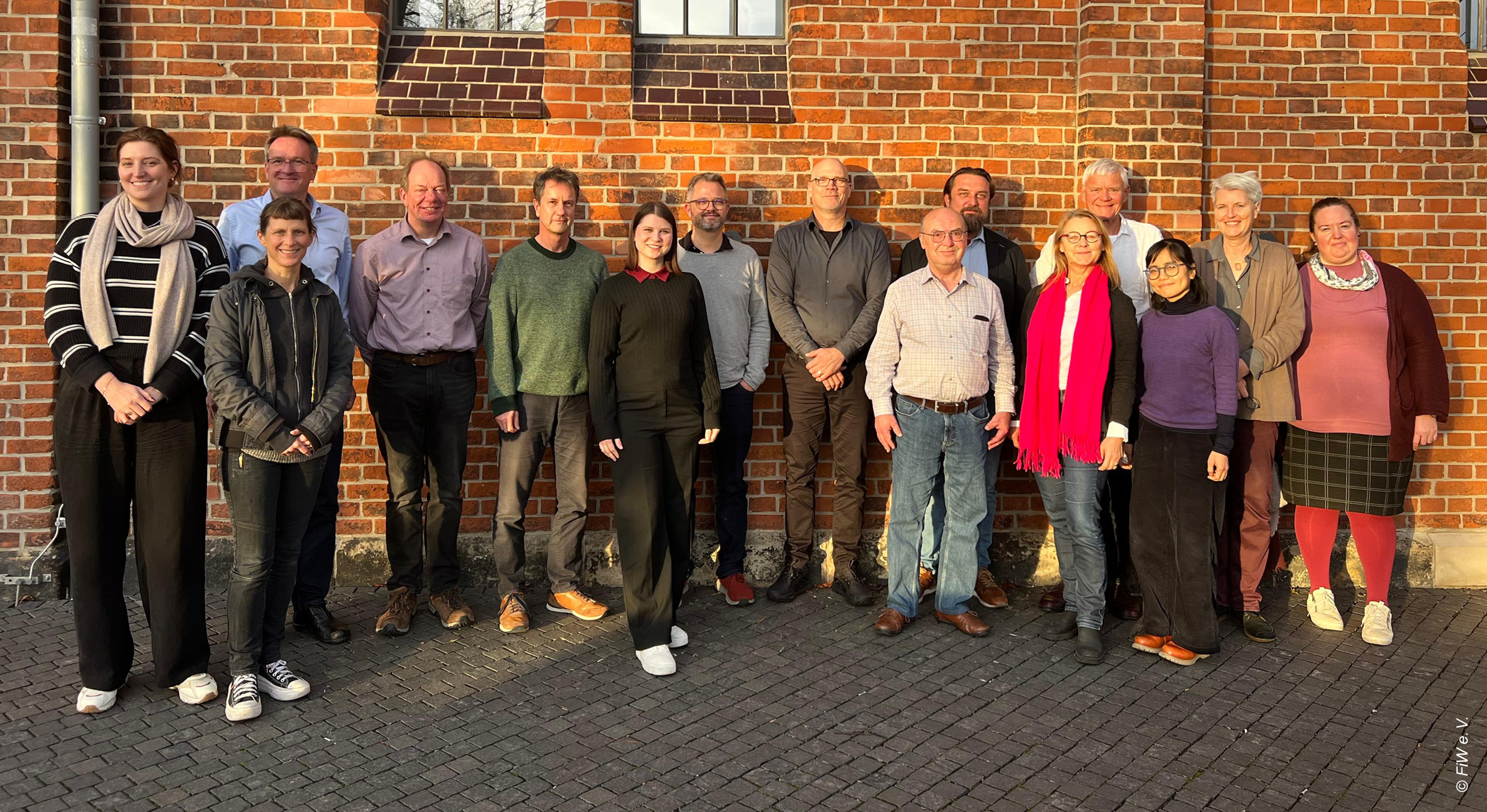
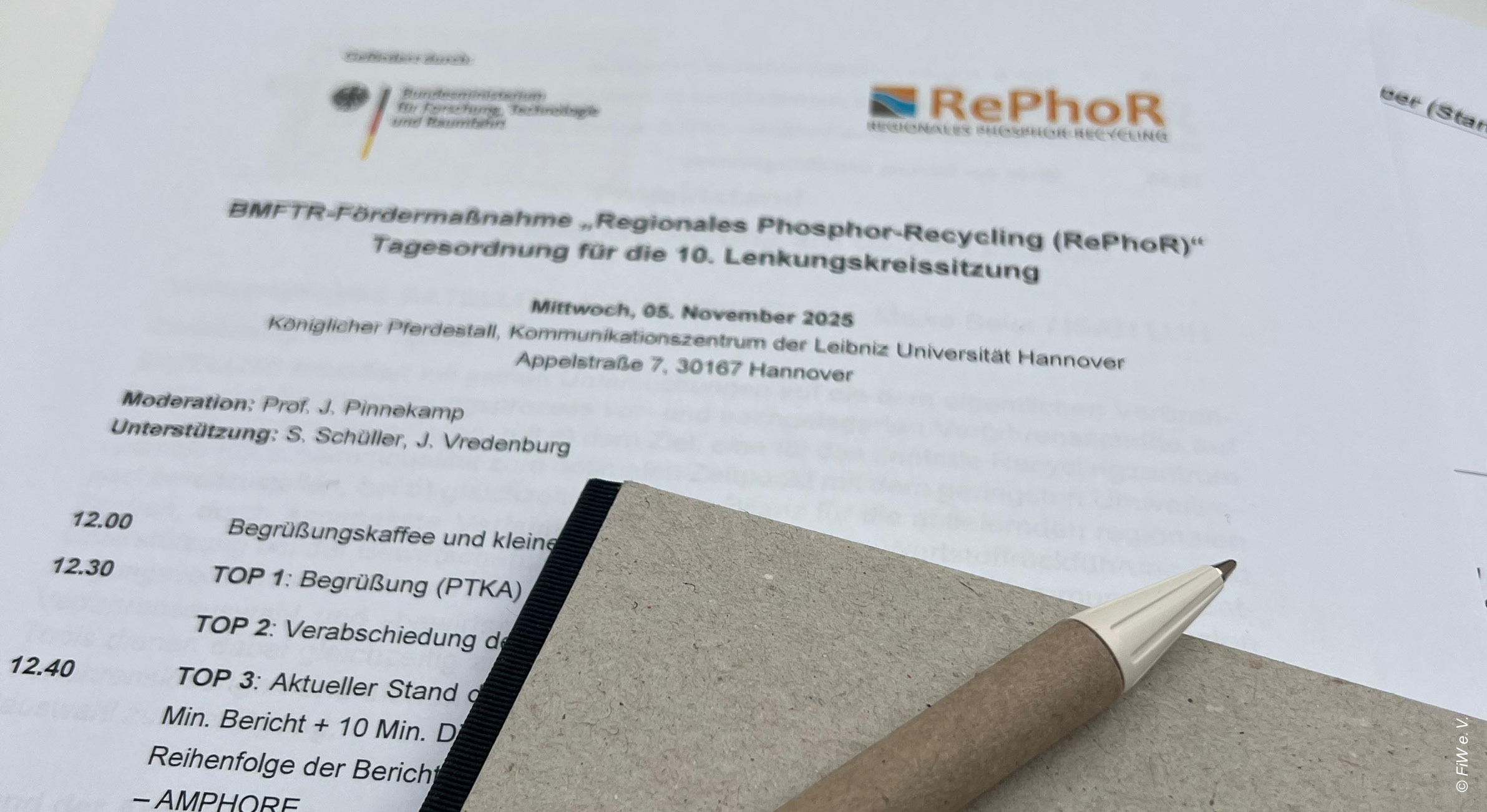
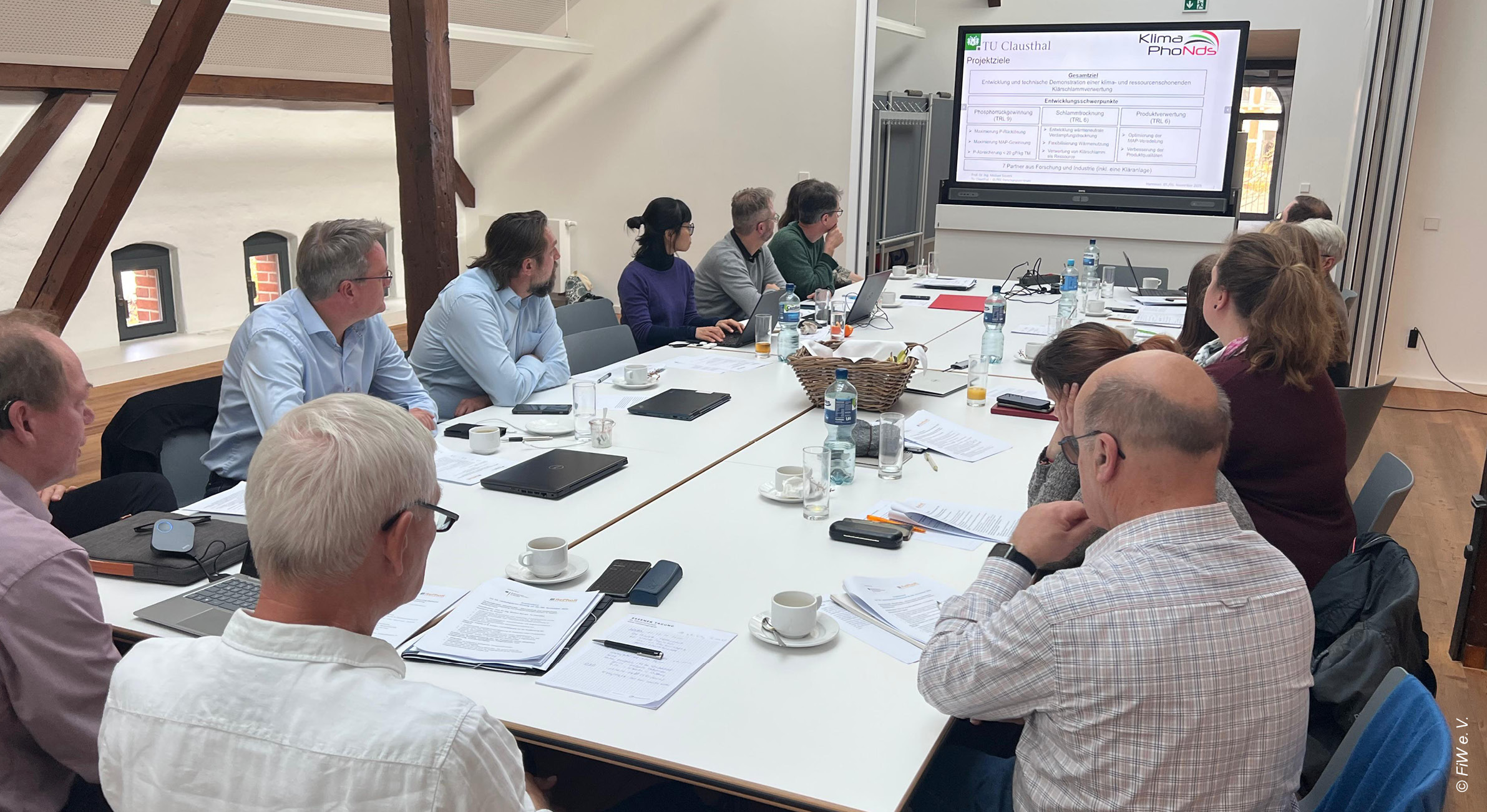
On 4 and 5 November 2025, the 10th Steering Committee meeting of the BMFTR funding initiative “Regional Phosphorus Recycling (RePhoR)” took place in Hannover. The focus was on planning transfer activities and drafting political recommendations for action. As the legal obligation to recover phosphorus takes effect in 2029, the large-scale implementation experiences gained within RePhoR are becoming increasingly important. The funding initiative demonstrates how phosphorus can be recovered from wastewater, sewage sludge, and sewage sludge ash and returned to regional material cycles.

The meeting was hosted by the Institute of Sanitary Engineering and Waste Management (ISAH) at Leibniz University Hannover, which coordinates the joint project SATELLITE. Participants gathered at the Royal Stables, the university’s communication centre.

As the RePhoR joint projects approach completion – some already at the end of this year, others in 2026 – numerous results and practical insights are now available. These findings vividly illustrate the technical, organisational, and economic conditions necessary to recover phosphorus on a large scale and reintegrate it into material cycles. They are increasingly relevant, as the nationwide implementation of phosphorus recovery still faces challenges – particularly due to the lack of large-scale operational experience.

Against this backdrop, the accompanying project TransPhoR, coordinated by FiW, is planning a series of targeted transfer activities together with the joint projects to make the results more widely accessible – through expert presentations, publications, and participation in trade fairs such as IFAT 2026. A comprehensive status report with contributions from all projects was already published in June and is available at https://bmbf-rephor.de/download-statusbericht-2025/. The update of this report was also discussed during the meeting.
The RePhoR Steering Committee serves as a platform for cross-project networking and exchange on current developments in research, industry, administration, and policy. It brings together the coordinators of the RePhoR joint projects, experts from public authorities, associations, and ministries, as well as representatives of the project management agency and the accompanying project TransPhoR.

The Federal Ministry of Research, Technology and Space (BMFTR) funds the initiative “Regional Phosphorus Recycling (RePhoR)” as part of the programme “Water: N – Research and Innovation for Sustainability”. Water: N is part of the national strategy “Research for Sustainability (FONA)”.

Opening of the R-Rhenania Phosphorus Recycling Plant in Altenstadt

Opening of the R-Rhenania Phosphorus Recycling Plant in Altenstadt

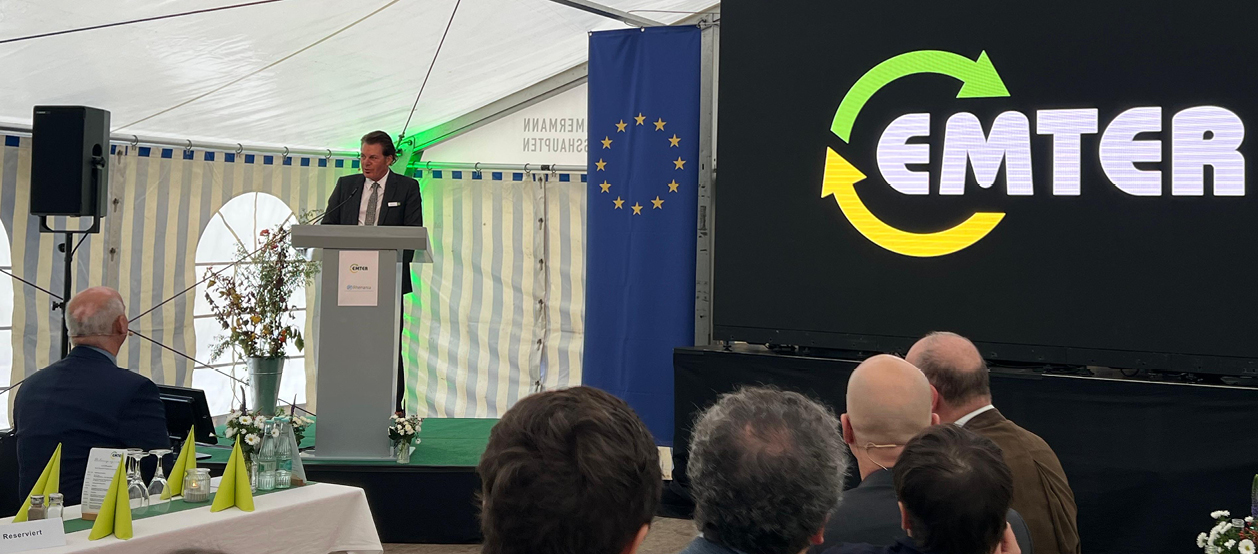
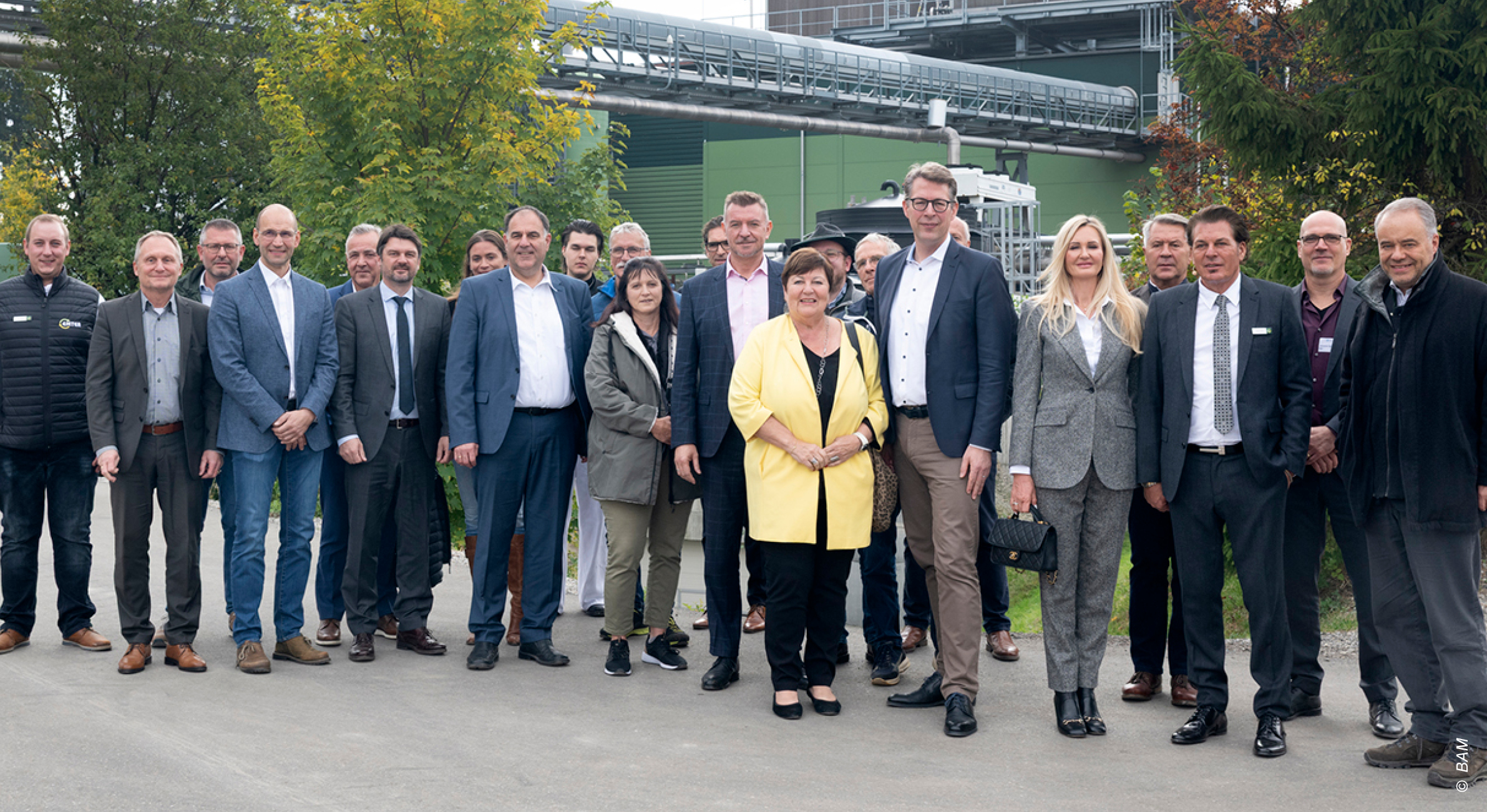
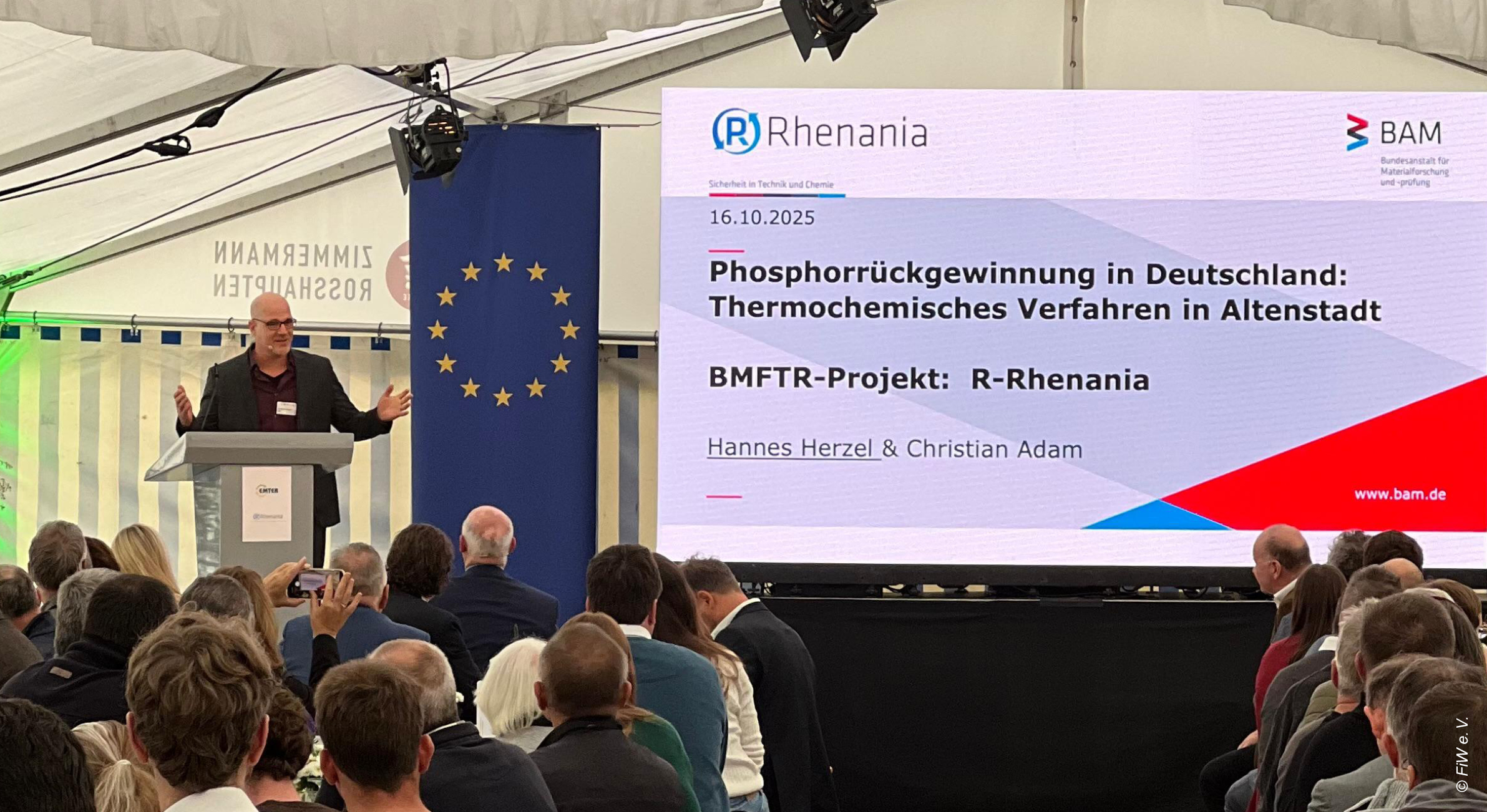
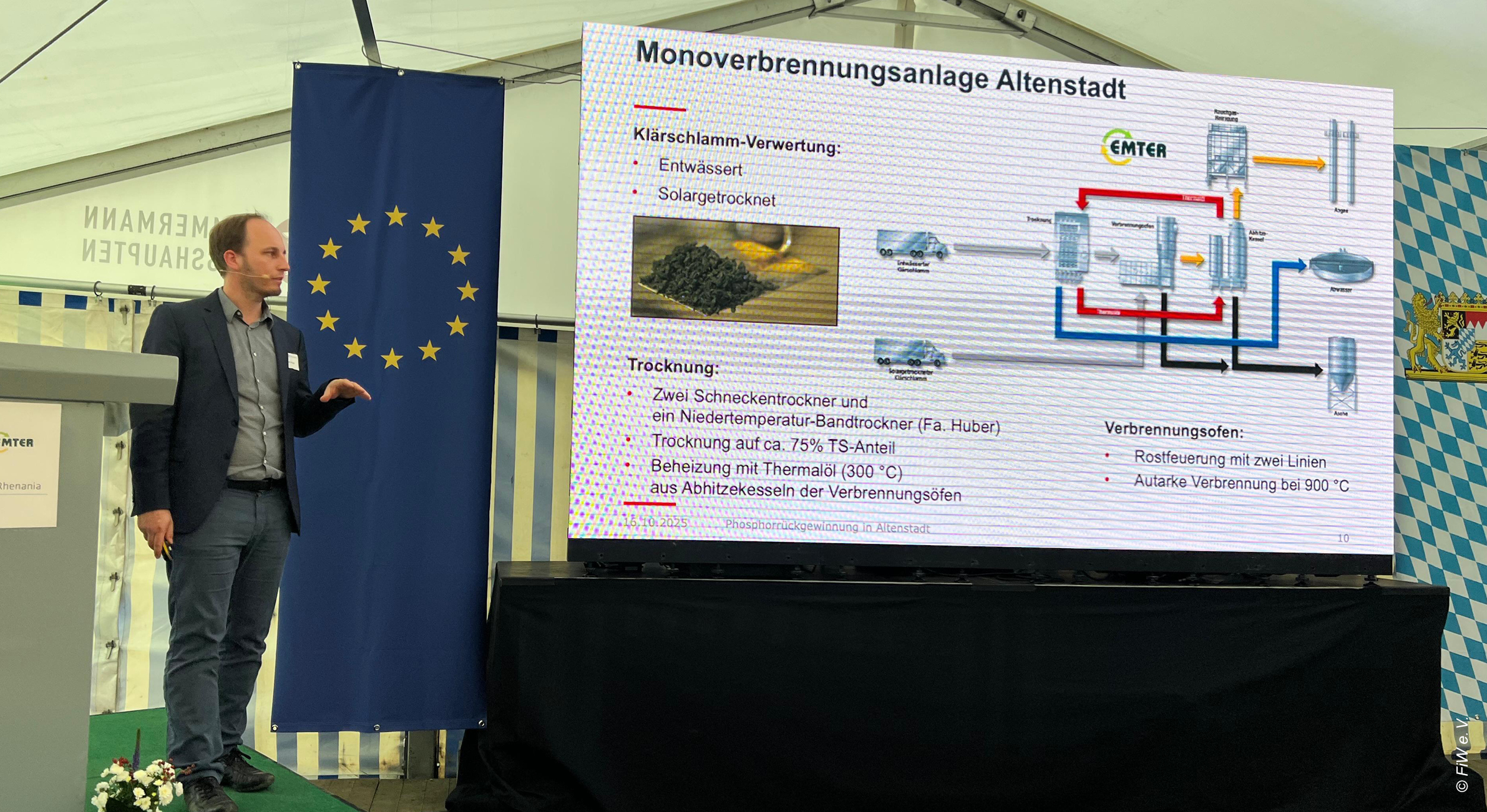
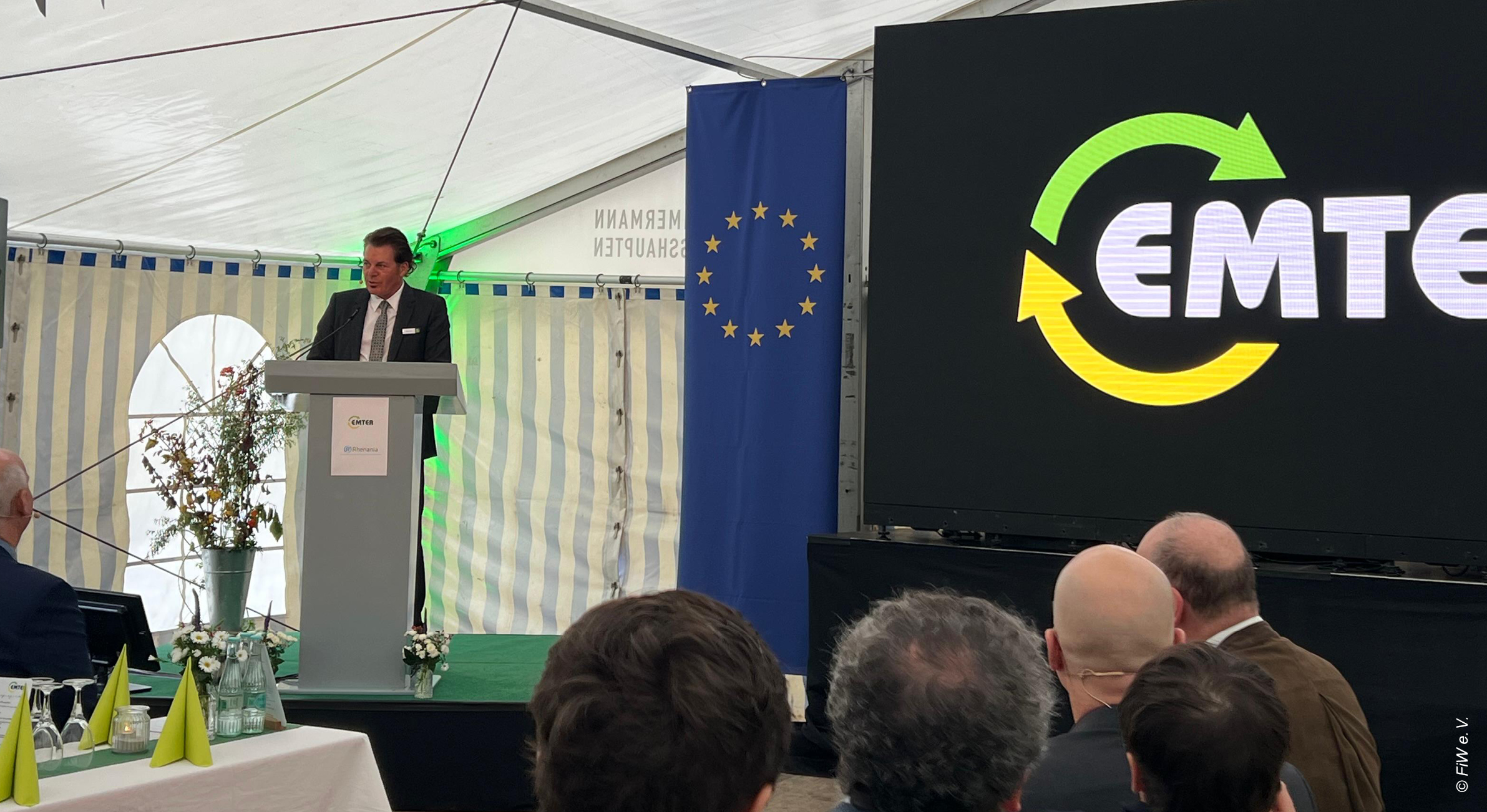
On October 16, 2025, the phosphorus recycling plant of the RePhoR joint project R-Rhenania was officially inaugurated in Altenstadt (Upper Bavaria). Around 200 guests, including high-ranking representatives from science, politics, and industry, attended the celebration hosted by Emter GmbH.

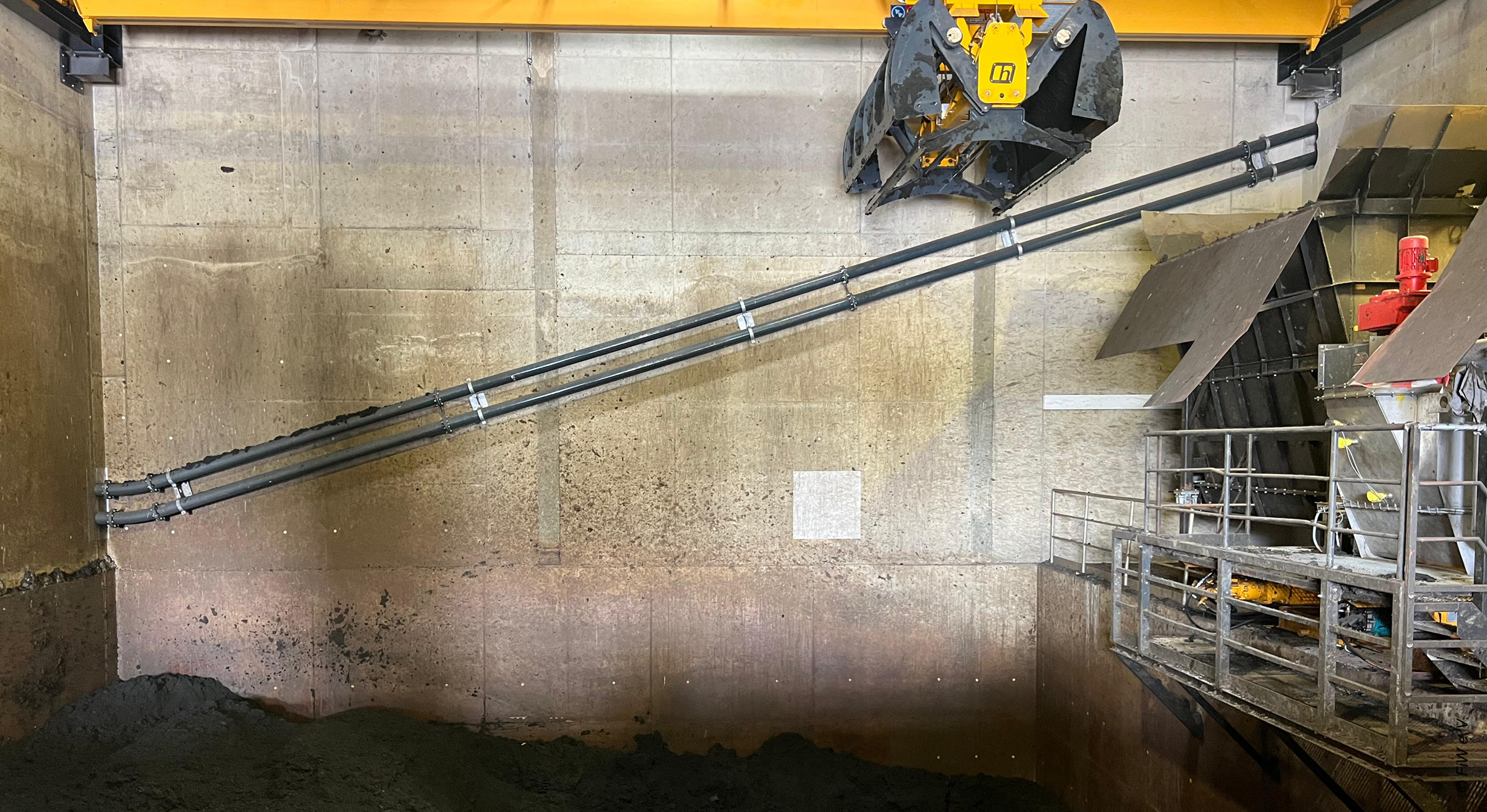
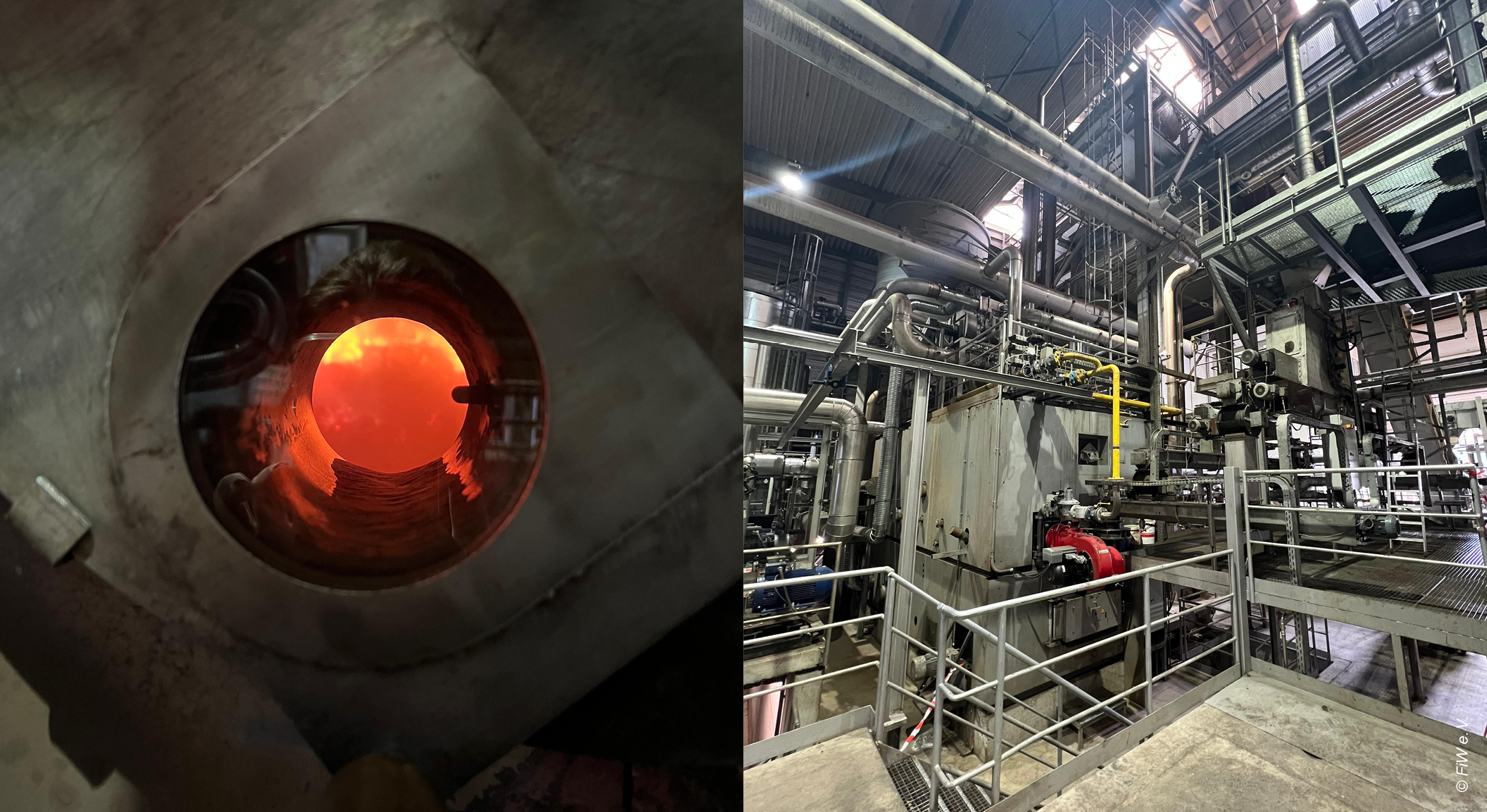
The facility operated by Emter GmbH implements for the first time on an industrial scale the process developed within the R-Rhenania project, funded by the Federal Ministry of Education, Research, Technology and Space (BMFTR). It processes up to 50,000 tonnes of dried sewage sludge per year and produces 15,000 tonnes of phosphate fertilizer. The product R-Rhenania Phosphate already meets the requirements of the Sewage Sludge Ordinance, which from 2029 onwards will make phosphorus recovery from sewage sludge mandatory in Germany.

The thermochemical R-Rhenania process, based on the AshDec® technology developed by the Federal Institute for Materials Research and Testing (BAM), converts poorly soluble phosphorus into a plant-available form. At the same time, pollutants such as cadmium, lead, and mercury are removed and safely separated. The high fertilizing efficiency of the recycled product has been confirmed in pot and field trials, including under organic farming conditions.

In his welcoming address, Bavarian Minister of Science Markus Blume emphasized the importance of the plant for resource security: “Turning waste into resources – the Altenstadt plant demonstrates how high-tech and sustainability can go hand in hand. Phosphorus is an indispensable nutrient that we will now be able to recover regionally.” The Tagesschau reported on the event (link), and additional media coverage appeared on Bayerischer Rundfunk, EUWID, and other outlets.

The accompanying program included presentations and guided tours of the new facility, focusing on topics such as phosphorus recycling in Germany, life cycle assessment, fertilizer effectiveness, and REACH registration.

LandInForm magazine reports on phosphorus recycling in Lower Saxony

LandInForm magazine reports on phosphorus recycling in Lower Saxony

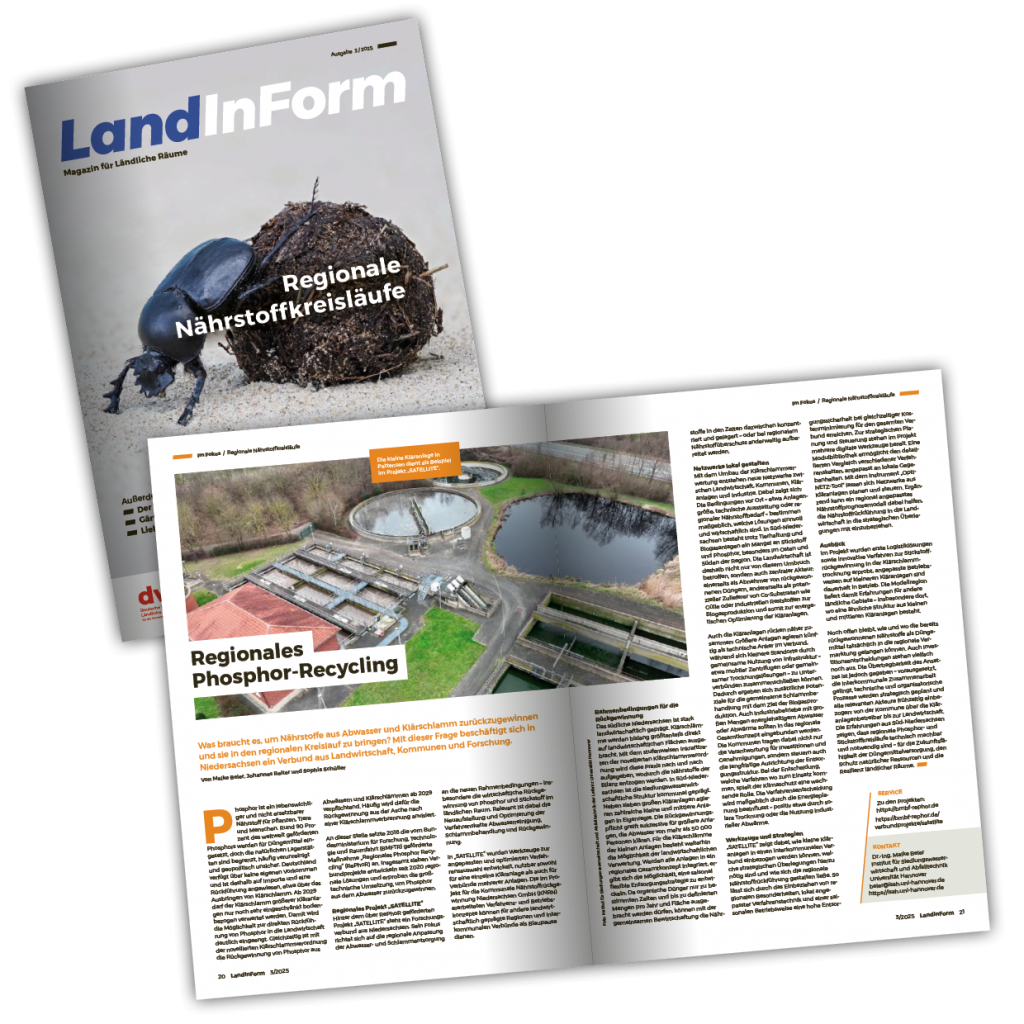
The current issue of LandInForm features an article by SATELLITE and TransPhoR on phosphorus nutrient recycling. Using Lower Saxony as an example, the article outlines the steps required to recover phosphorus from wastewater and sewage sludge and return it to regional cycles, from the framework conditions to the role of local authorities, agriculture, and research.

LandInForm is a practical trade journal for rural areas and is published by the German Networking Agency for Rural Areas, which is based at the Federal Office for Agriculture and Food and is funded by the EU’s Common Agricultural Policy. The current issue focuses on “Regional Nutrient Cycles.”

Anyone looking for a quick, practical introduction to the topic of phosphorus recycling and regional implementation methods can download the article from issue 3/2025 free of charge at https://www.dvs-gap-netzwerk.de/fileadmin/Redaktion/Seiten/Service/Publikationen/LandInForm/2025/LandInForm_3_25.pdf.

The article is only available in German.

Phosphorus Recovery Before 2029: RePhoR Status Report Provides Practice-Oriented Insights

Phosphorus Recovery Before 2029: RePhoR Status Report Provides Practice-Oriented Insights

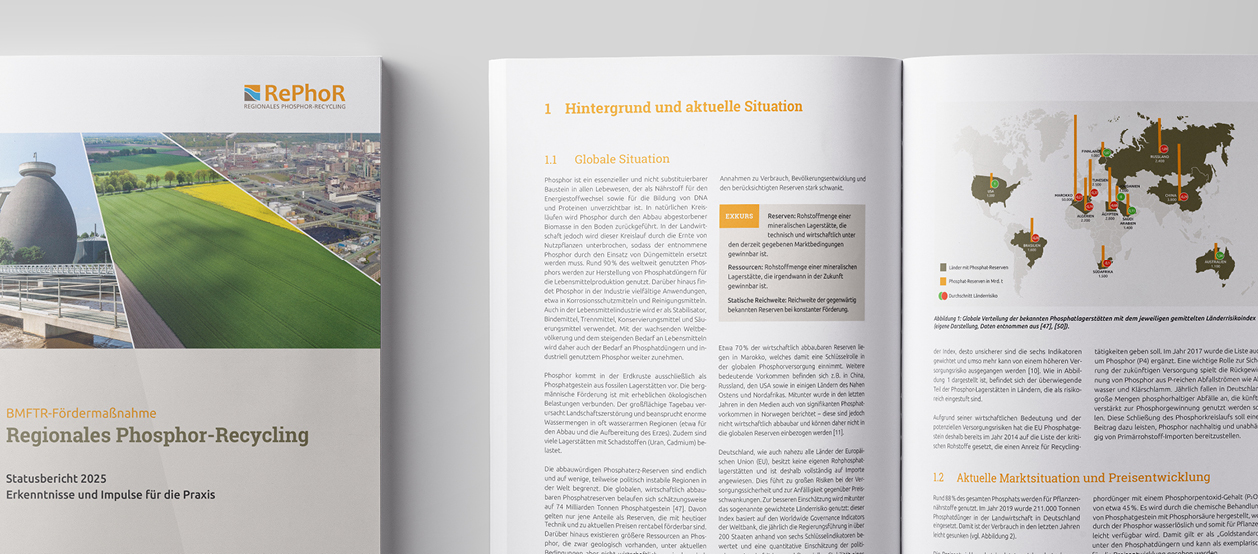
The status report of the BMFTR-funded initiative “Regional Phosphorus Recycling – RePhoR” has been published. Coordinated by FiW within the accompanying project TransPhoR, the report compiles the findings from seven collaborative projects on phosphorus recovery and highlights practical challenges, solution approaches, and opportunities. The publication comes at a critical time: four years before the legal obligation for phosphorus recovery comes into effect, concrete implementation plans are still lacking in many places.

Phosphorus is an essential and irreplaceable element in all living organisms and is primarily used as fertilizer for high-yield agriculture. Since the EU has no domestic phosphate rock deposits, it is entirely dependent on imports, which poses significant risks to supply security. Recovering phosphorus from phosphorus-rich waste streams such as wastewater and sewage sludge plays a key role in securing future supply.

Since 2020, seven collaborative projects have been working on phosphorus recovery concepts within the BMFTR-funded RePhoR initiative, implementing them at a large technical scale. In addition to technical aspects, the projects also address legal and organizational challenges—such as inter-municipal cooperation, partnerships with private sector actors, logistics, certification requirements, and the quality and marketability of the recovered products. Most of the projects have now built their facilities and gained initial operational experience. These practical insights are essential to support future investment decisions based on well-founded knowledge.

The current RePhoR status report provides a comprehensive overview of how large-scale recovery processes can be implemented technically, economically, and organizationally—from planning to market integration. It also discusses legal and permitting barriers as well as issues of social and agricultural acceptance. The report is available for download at the following link: https://bmbf-rephor.de/download-statusbericht-2025/

We welcome your feedback, which can be submitted via a form available with the download.

The report was presented at this year’s 14th DWA Sewage Sludge Days in Würzburg at the joint exhibition booth of the collaborative projects, offering numerous professionals the opportunity to exchange insights on the current state of research.

Guide and Excel tool on the economic viability of phosphorus recycling published

Guide and Excel tool on the economic viability of phosphorus recycling published

In order for phosphorus recovery to be implemented on schedule, sewage sludge producers must make technical and organizational decisions at an early stage. Economic considerations are also closely linked to this, as there are currently no reliable figures available.

The TransPhoR accompanying project is therefore now providing a guide and an accompanying Excel tool that can be used to evaluate different P recycling concepts economically according to uniform criteria and compare them approximately. The guide describes a standardized procedure that transparently records investment costs and running costs (e.g., energy, personnel, operating resources) and compares them with the monetary benefits from recyclates and possible by-products. The Excel tool helps to document assumptions in a comprehensible manner and to perform sensitivity analyses to check how strongly results depend on key parameters.

The guide can be downloaded at the following link:
https://bmbf-rephor.de/wp-content/uploads/2025-05_BMBF-RePhoR_Leitfaden-Wirtschaftlichkeitsbetrachtung.pdf

The Excel tool developed is also available for download free of charge on the RePhoR project website:
https://bmbf-rephor.de/wp-content/uploads/Exceltool_Wirtschaftlichkeit_TransPhoR.xlsx

Both are currently only available in German.

9th RePhoR Steering Committee Meeting in Darmstadt

9th RePhoR Steering Committee Meeting in Darmstadt

On April 2 and 3, 2025, the 9th Steering Committee meeting of the BMFTR funding measure Regional Phosphorus Recycling (RePhoR) took place in Darmstadt. The event was hosted by the Institute IWAR at Technische Universität Darmstadt, which also coordinates the joint project RePhoRM.

In addition to updates from the joint projects, the meeting focused in particular on discussing the RePhoR status report and its key findings. Furthermore, the results of the three cross-cutting topics were presented and potential avenues for valorization were discussed, as these cross-cutting activities will conclude at the end of June 2025.

Within the cross-cutting topic “Products and Markets”, HGoTECH presented the results of the conducted plant trials. In the area of “Sustainability”, the Institute for Sustainability and Resource Management (INaB) introduced the framework developed for a comparative life cycle assessment. The cross-cutting topic “Law” concluded with a well-attended workshop in March, during which the commissioned legal opinion on the “end-of-waste status” was presented and discussed in depth.

The professional exchange was complemented by a tour of the new laboratory facilities at the Institute IWAR and a joint dinner on April 3, which offered space for further discussions.

The RePhoR Steering Committee serves as a platform for cross-project networking and the exchange of key developments in the sector. It brings together the coordinators of the joint projects and the networking project, as well as experts from industry, associations, public authorities, and ministries. Representatives of the Federal Ministry of Education, Science and Research (BMFTR) and the project management organization also regularly participate in the biannual meetings.